Mar – May
8–22°C
The gardens fill with flowers and the air is cool — the best months for gardens and walking.
Best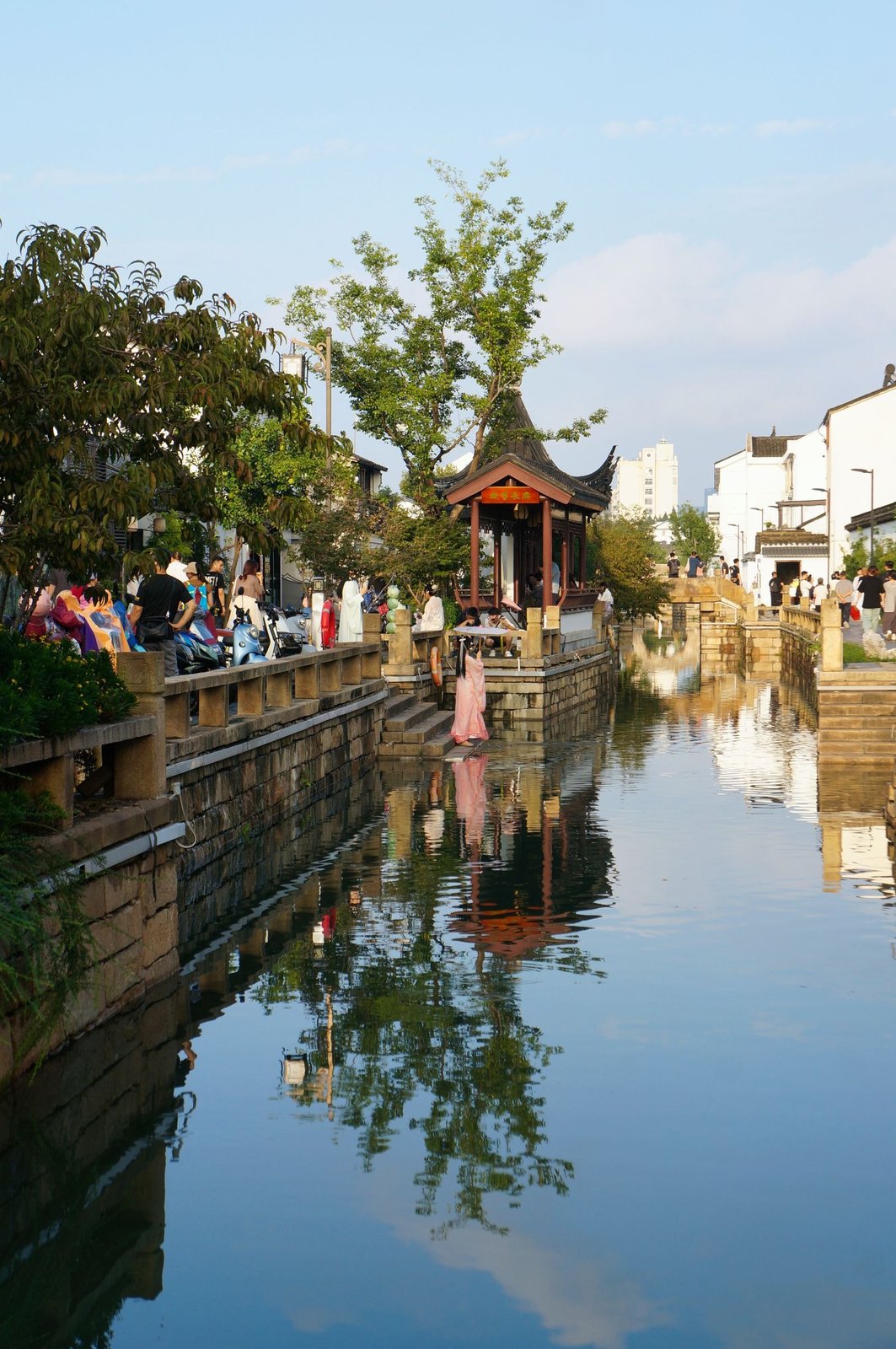
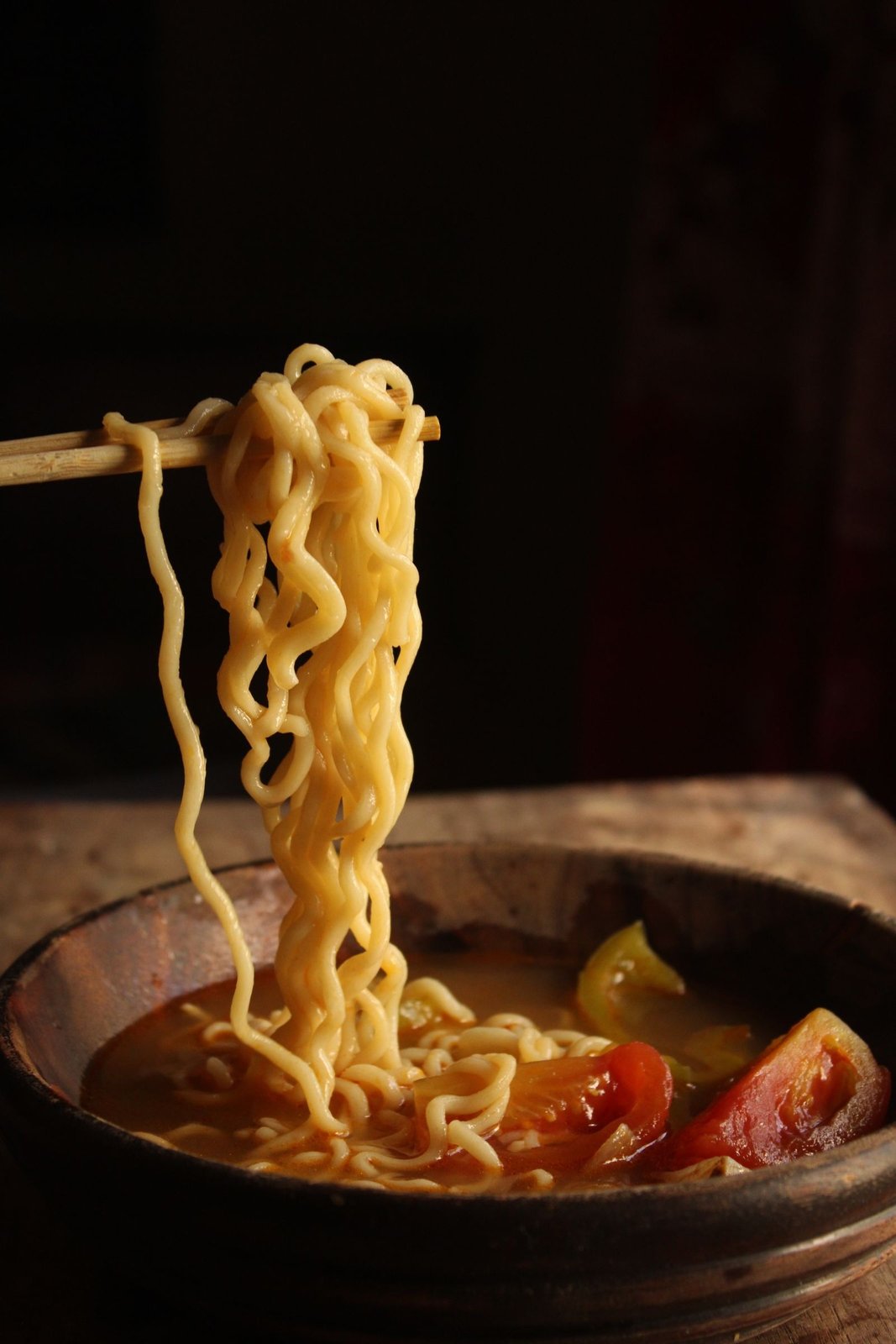
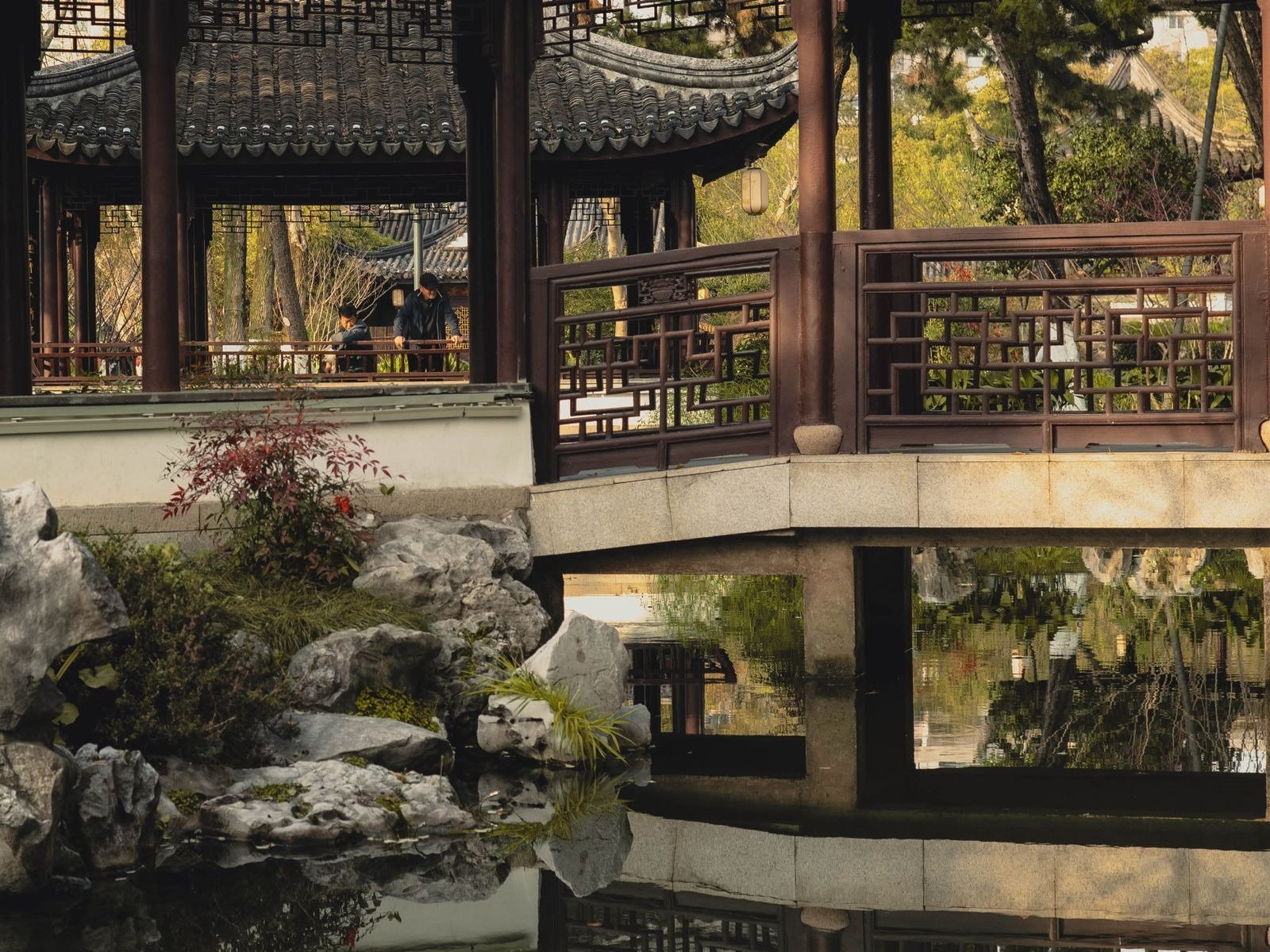
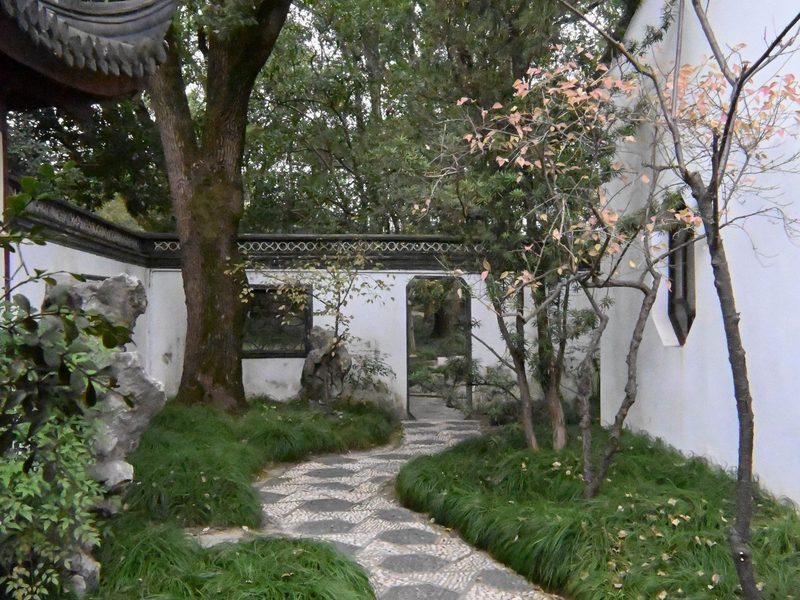
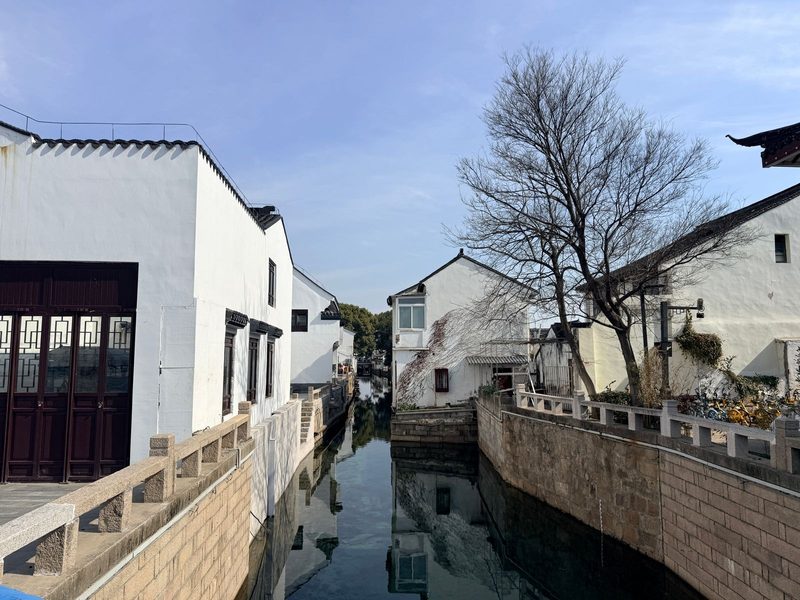
Garden corridors, small shops on Pingjiang Road, a bowl of braised-pork noodles at dawn. Suzhou rewards the traveller who slows down rather than ticking off sights.
Four numbers that explain the city before you read anything else.
Founded as the capital of Wu in the Spring and Autumn period
A major city in the Yangtze River Delta
Best choice around Guanqian Street or Pingjiang Road
Frequent departures from Shanghai Hongqiao
Guides and the places behind them — scroll sideways.
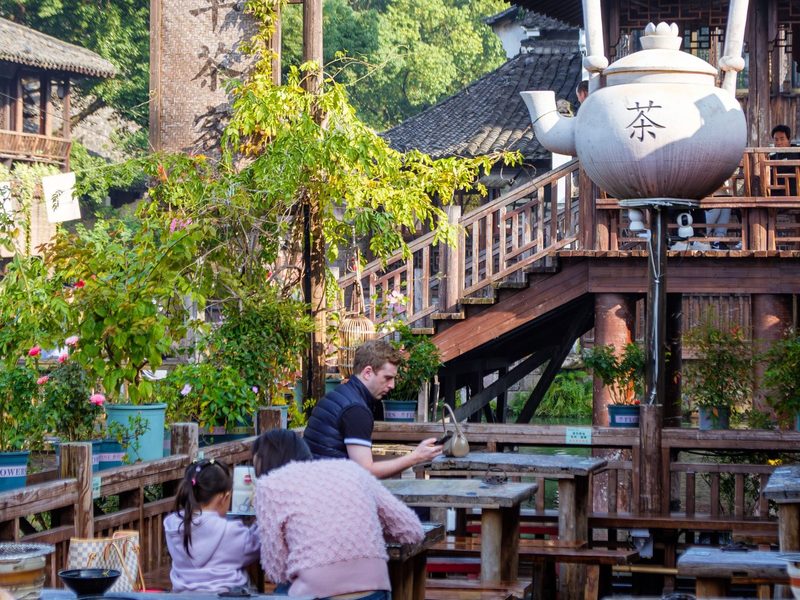 15–28 MarSuzhou Pingtan WeekPingjiang Road storytelling halls · Suzhou Culture and Arts Centre · Teahouse sets ¥50–80 (about $7.1–11, tea included); theatre shows priced separately
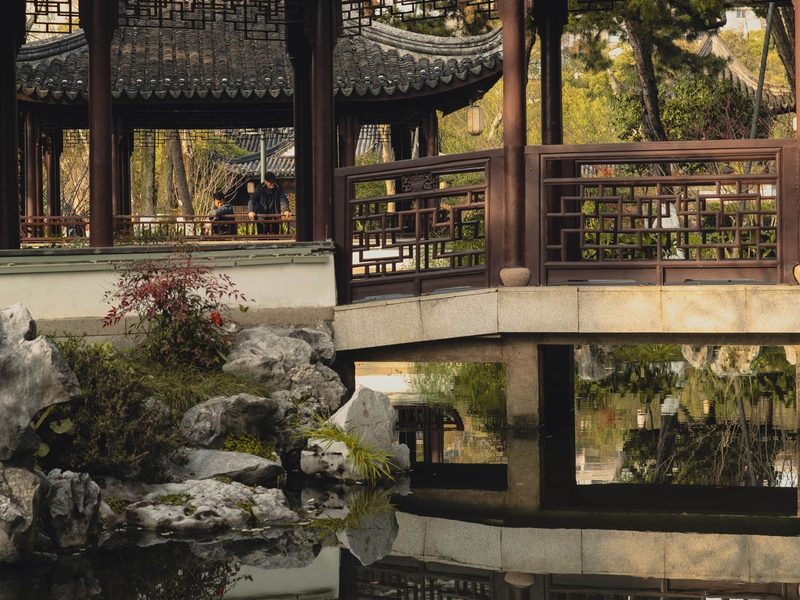 10 Apr – 10 MaySuzhou Garden FestivalHumble Administrator's Garden · Lingering Garden · Master of the Nets Garden · Normal garden tickets apply, ¥70–80 (about $10–11) in peak season; evening events cost extra
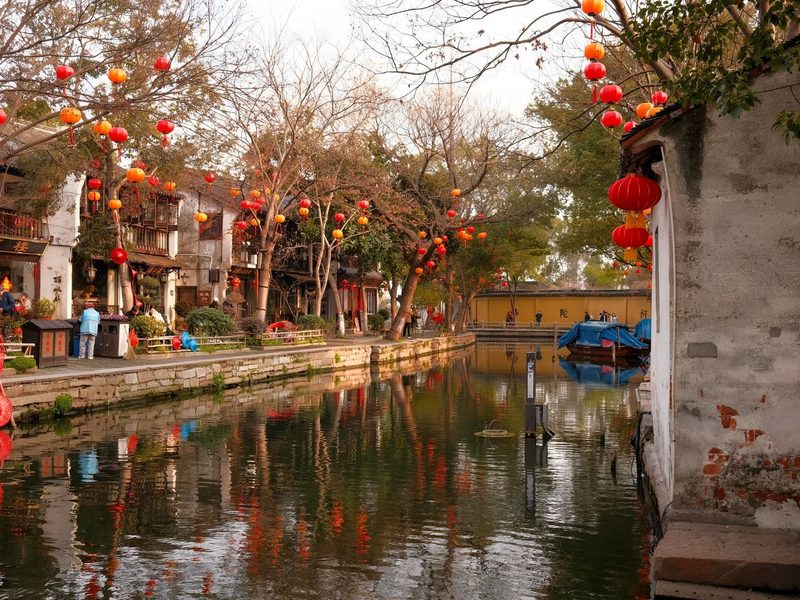 10 Sept – 7 OctShantang Street Lantern FairShantang Street · Changmen gate · Free; boat ride about ¥50 (about $7.1)
The card in red is where the calendar is right now.
The gardens fill with flowers and the air is cool — the best months for gardens and walking.
BestHot, humid and rainy. Museums and teahouses are the afternoon refuge, and three-shrimp noodles are in season only now.
ToughClear skies and osmanthus in the air; the evening boat rides on Shantang Street pick up again.
PleasantDamp cold that feels colder than the numbers suggest. Few crowds, and the gardens are quiet.
QuietYou are here now: Autumn, 15–28°C.
There is no separate Suzhou visa — China's national rules apply. Passports from most European countries, plus Australia, New Zealand, Japan, South Korea and Canada currently get 30 days visa-free; US and UK passports can use the 240-hour transit waiver with an onward ticket. Check mfa.gov.cn before you book.
High-speed trains run from Shanghai Hongqiao to Suzhou North in about 25 minutes, or to Suzhou station in 30–40 minutes, around ¥40 (about $5.7) second class, with frequent departures. Suzhou station is closer to the old town — a ten-minute taxi gets you to Pingjiang Road.
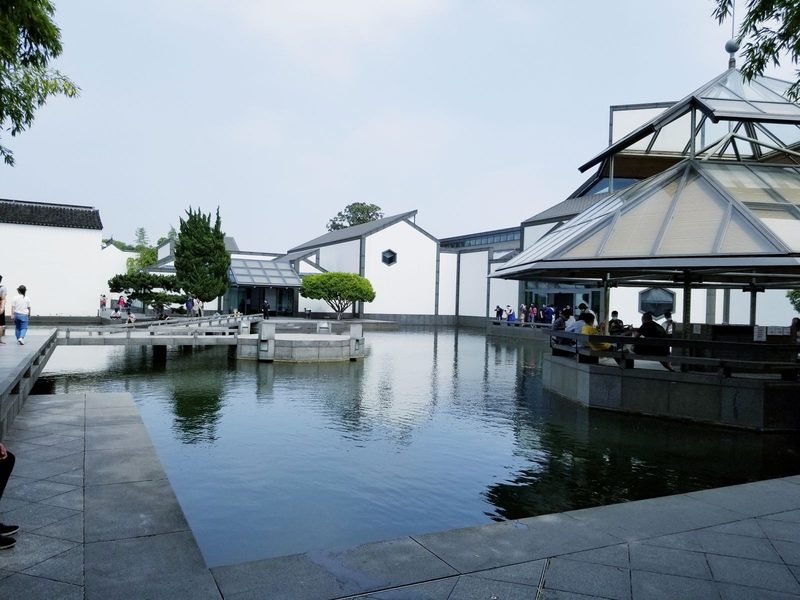
Buy tickets for the Humble Administrator's Garden and the Lingering Garden ahead of time on busy weekends. Suzhou Museum is free but needs a reservation and closes Mondays, so don't turn up on the wrong day.
A notch below Shanghai. A bowl of noodles is ¥20–40 (about $2.9–5.7), garden entry ¥70–80 (about $10–11), and a mid-range hotel ¥400–700 (about $57–100). The old town's sights cluster together, so walking and the metro are enough.
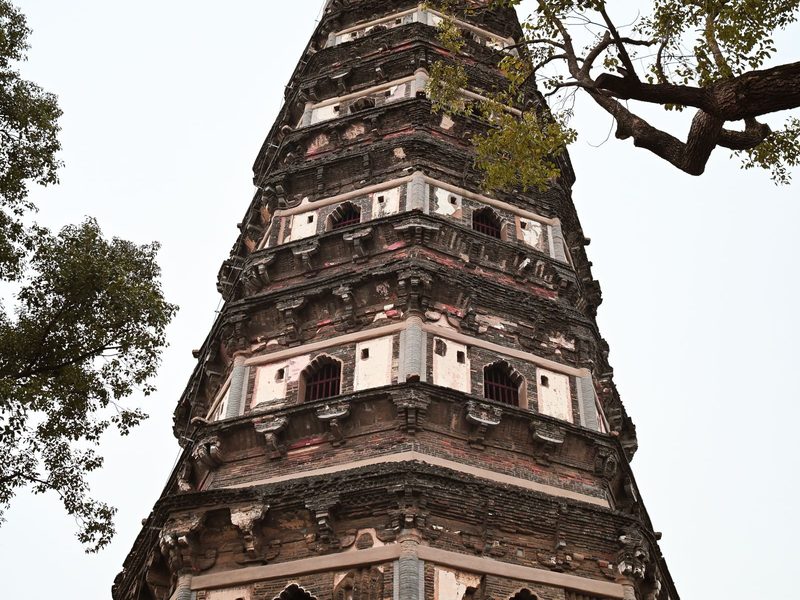
Two full days cover the main gardens and old streets: one for the Humble Administrator's Garden, the museum and Pingjiang Road; one for Tiger Hill, the Lingering Garden and Shantang Street. Add a third for the water towns.
Yes. A storytelling set lasts about forty minutes with a pot of tea, ¥50–80 (about $7.1–11). Even if the words escape you, the rise and fall of the pipa and sanxian, and the storyteller's expressions, are the performance.
One email, no forms. Tell us when you land and what you like eating — we send back a day-by-day plan.