Suzhou Noodles, the Craft in a Bowl of Broth
After several days of eating noodles in Suzhou, I realised this is a different thing entirely. An honest record of what to order, what it costs and when to go.
The noodle shop before seven
A Suzhou noodle shop is full by seven in the morning. There are no menu boards; people walk in and say “braised pork noodles, firm”, find a seat, and a bowl arrives minutes later — clear, bright broth, a piece of braised pork laid across the top, the fat part trembling, thin noodles beneath.
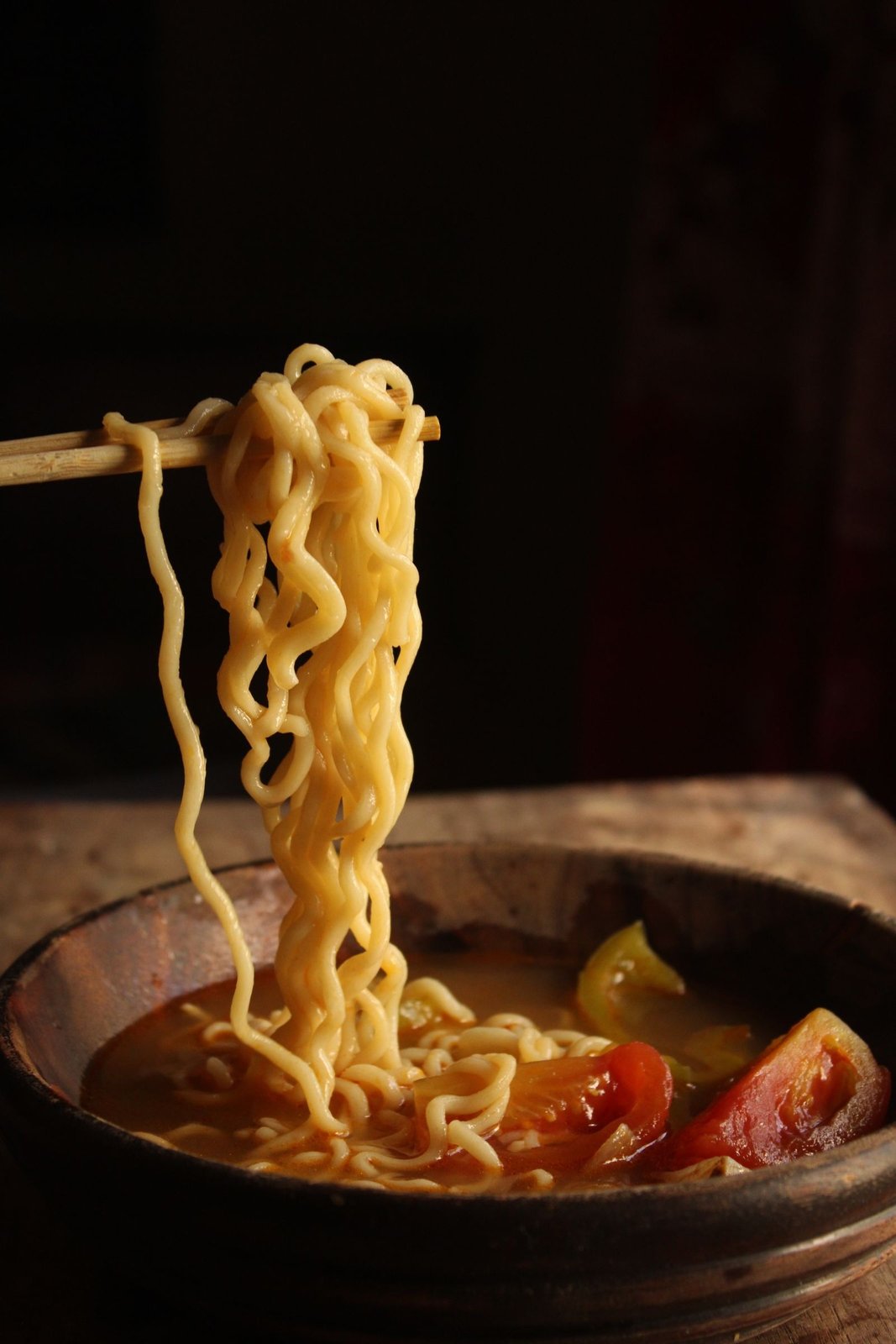
I first assumed Suzhou noodles were simply “sweet noodles”. After a few days I understood that the craft lies elsewhere, in three things: broth, noodles and topping.
The broth is the foundation
Suzhou noodle broth is made slowly from eel bones, pork and old chicken, then clarified — skimmed until it is clear but still deep in taste. The first pot of the day is the clearest and is called the first brew, which regulars get up early for. After seven, noodles go into the pot and the broth clouds a little; by noon it is a different thing altogether.
So start with the first brew. The same shop, the same topping, but the morning’s clear soup and the midday rich soup are two different dishes.
Firm noodles, separate toppings
The noodles are thin and boiled briefly, pulled the moment they are just done. Say “firm” and the cook knows what you mean. If you are used to soft noodles, try them firm for once — the texture is a different experience.
Toppings are cooked and served separately; that is the rule. Braised pork is cooked until the fat turns translucent and the lean part stays tender. Crispy fish is fried then soaked in a sweet brine, sweet outside and soft within. In summer there are three-shrimp noodles, made with shrimp meat, roe and heads, at over ¥100 (about $14) a bowl, and not available every day.
A plain bowl of braised pork noodles is ¥20–40 (about $2.9–5.7), extra toppings charged separately. Vinegar and chilli oil are usually on the table, add them as you like. When you finish, don’t rush off — watch the next table. Most people are in and out in ten minutes.
Where to go, and when
Noodle shops cluster around Guanqian Street, Pingjiang Road and Shiquan Street in the old town, and shops in residential lanes often beat the ones beside sights. I would not obsess over the most famous name. Any clean shop at seven in the morning will do.
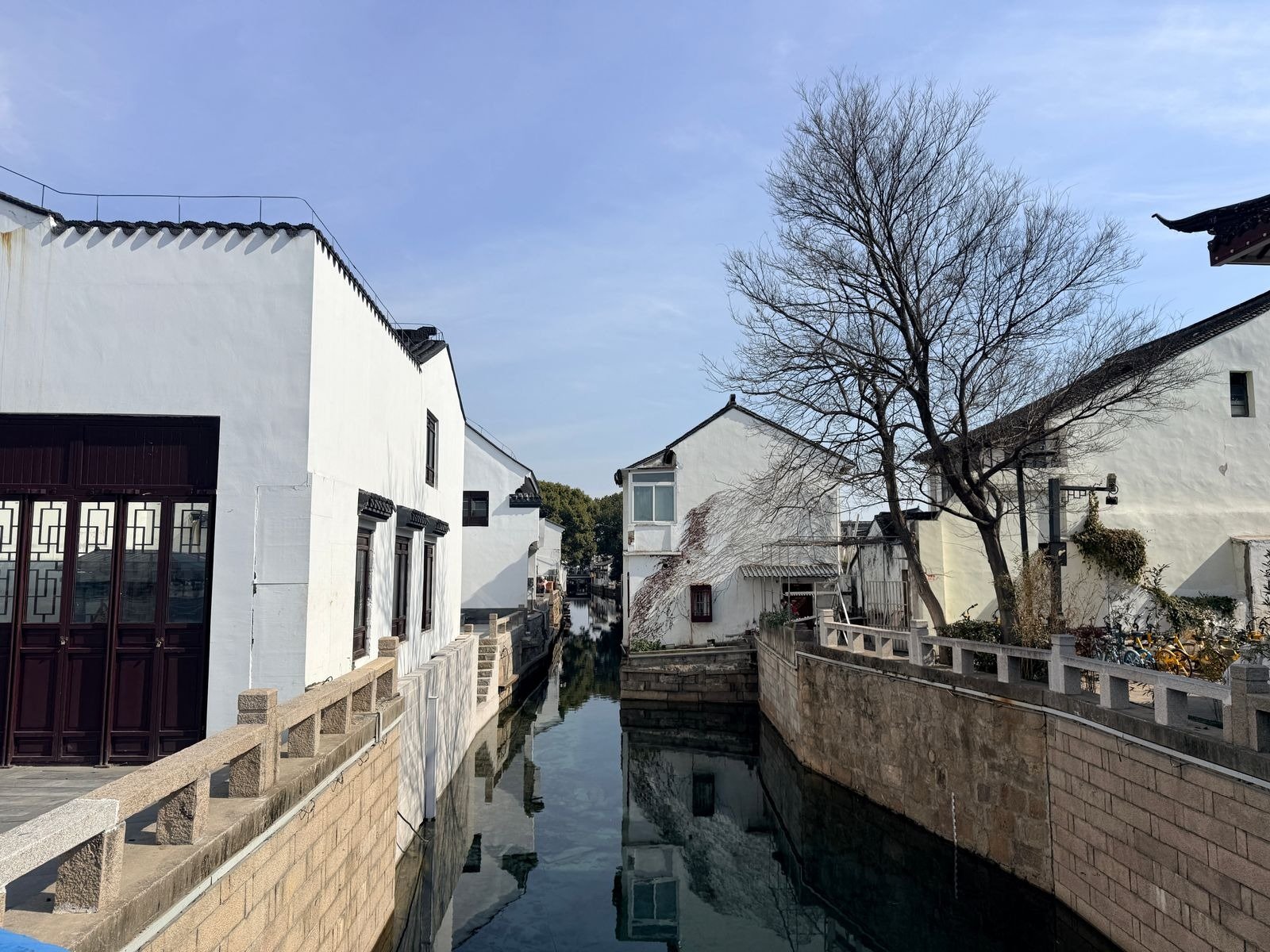
Internet-famous shops queue before ten on weekends; on weekdays there is almost no wait. Suzhou people eat noodles to get to work, not to take photographs, so the whole thing is quick — you may spend longer deciding at the door than they spend eating.
What comes after
Noodles finish around eight, which lines up neatly with the rest of the day. Pingjiang Road is a few steps from many noodle shops; walk the canal for over a kilometre while the shops have just opened and the crowds have not arrived. Pick up a begonia cake for ¥8 (about $1.1) at a stall, or sit down for a stretch of pingtan storytelling.
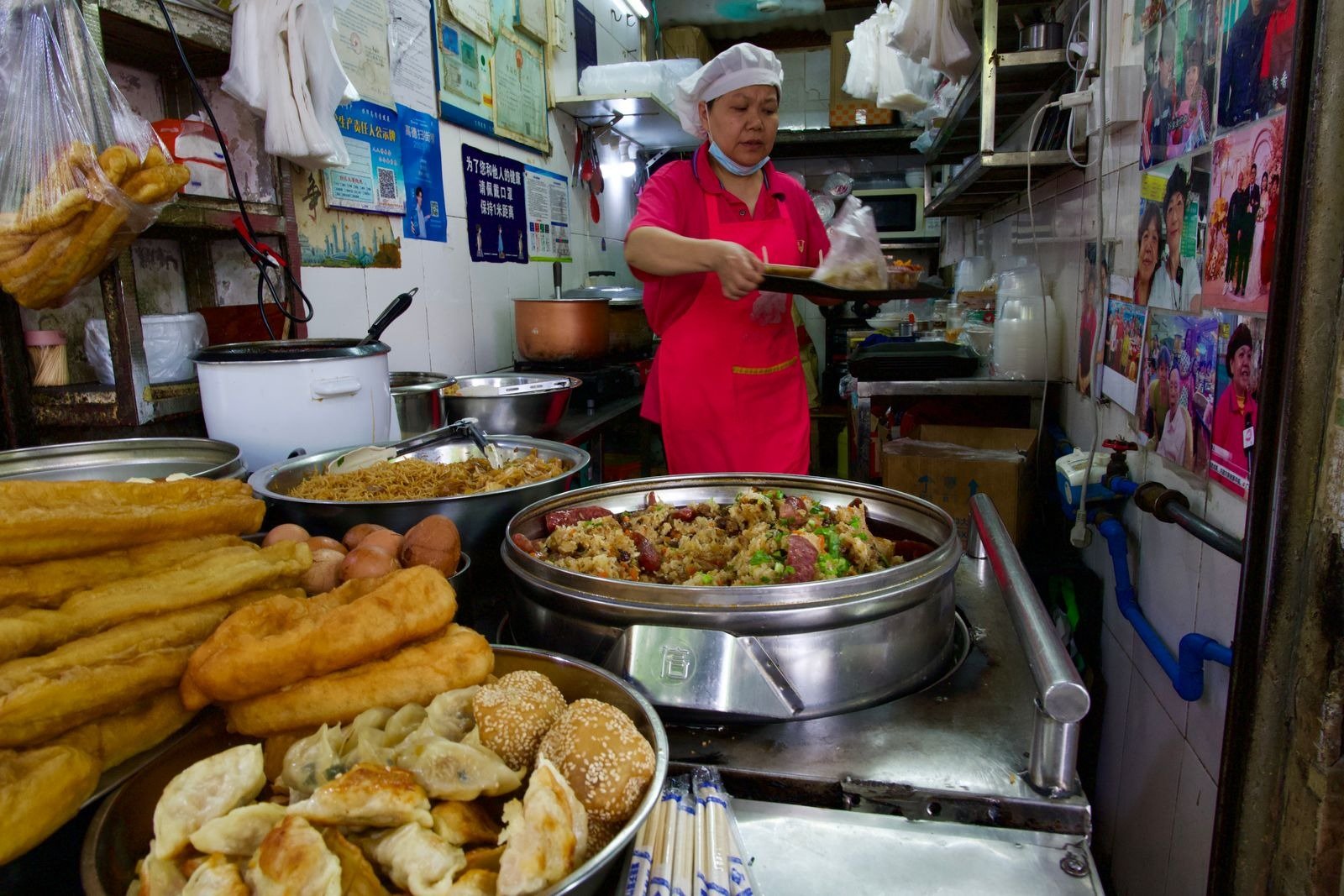
Putting noodles first each morning is the least tiring way to plan a Suzhou day. It is cheap, quick, and closer to the city’s daily life than any sight.
Common questions
What is the first brew?
The first pot of broth in the morning, the clearest, before it is clouded by repeated boiling. Regulars get up early for it — arrive before seven to be safe. It costs the same as any other bowl.
How much is a bowl?
A plain braised-pork or crispy-fish bowl is ¥20–40 (about $2.9–5.7), with extra toppings charged separately. Three-shrimp noodles are seasonal and can top ¥100 (about $14).
How do I order in a noodle shop?
Name the topping first, then how firm you want the noodles. Suzhou people ask for firm noodles, pulled the moment they are done. Vinegar and chilli oil are usually on the table for you to add.
Related
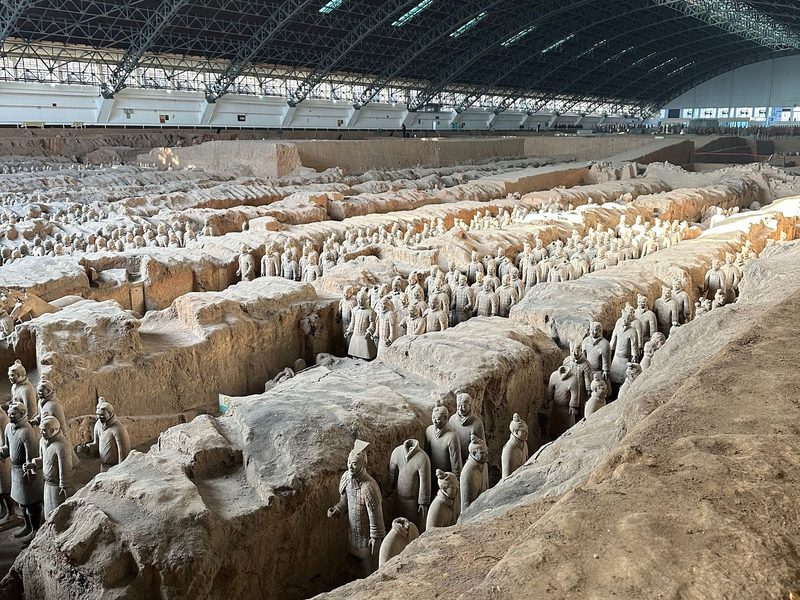
The Terracotta Army, With and Without a Guide
I did the Terracotta Army twice, once cold and once with an official guide. The difference was not trivia — it was the difference between seeing clay statues and understanding an army.
Cycling Xi'an City Wall, Minus the Romance
Everyone tells you to cycle the wall at sunset. They leave out the rental clock, the wind and the fact that the last half is mostly about finishing. Here is how to do it without hating it.
Chengdu Hotpot, How to Order a Red Oil Pot
Seconds for tripe and duck intestine, whether a split pot is embarrassing, an honest record from queue to bill.
Want a plan that fits your dates?
Tell us your dates, budget and what you actually like doing — we will send back a day-by-day plan by email. No charge for the first draft.
Plan with us →