The Terracotta Army, With and Without a Guide
I did the Terracotta Army twice, once cold and once with an official guide. The difference was not trivia — it was the difference between seeing clay statues and understanding an army.
The first visit, done badly
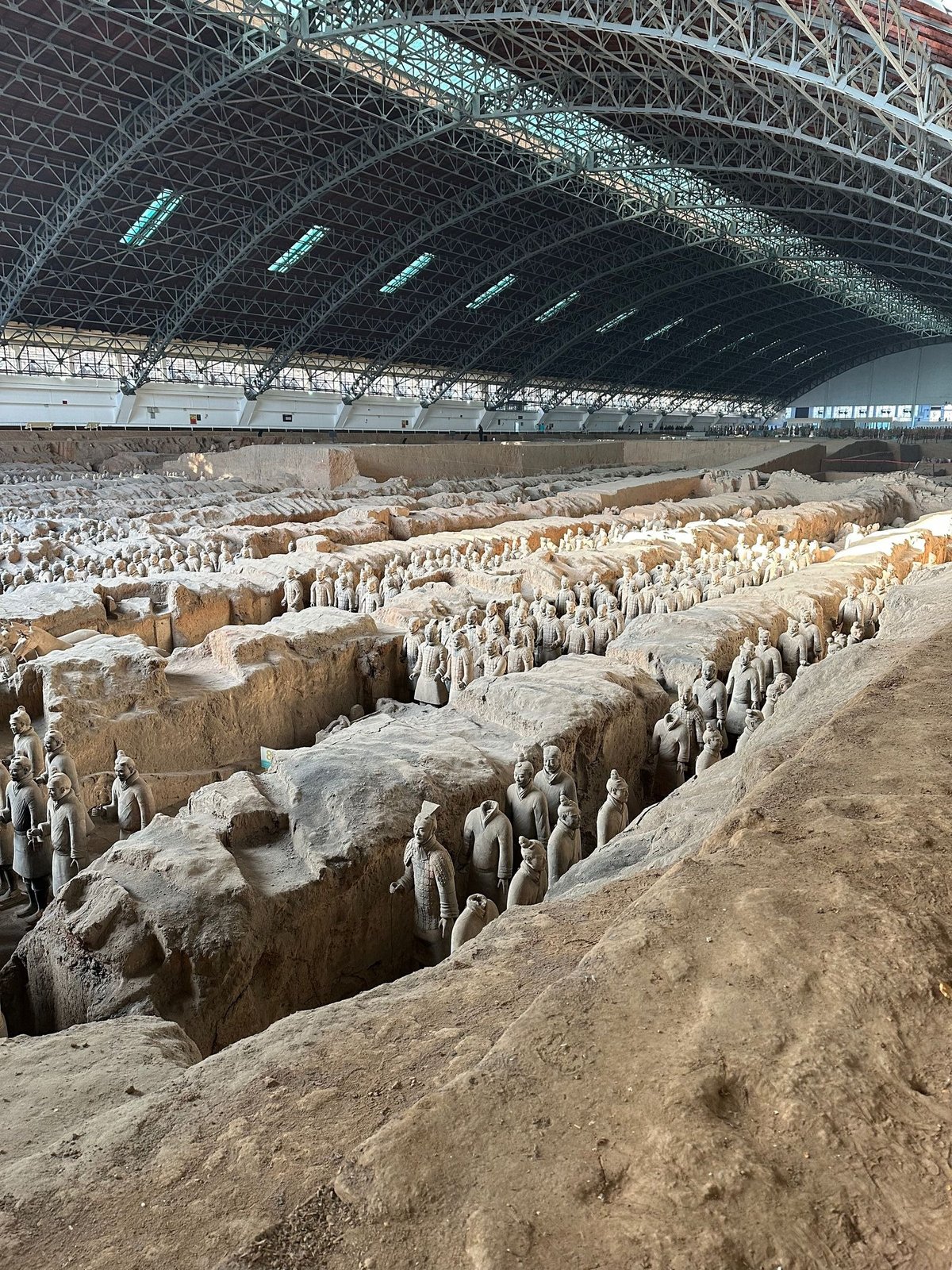
My first visit to the Terracotta Army took about forty minutes. I walked into Pit 1, took a lot of photographs of rows of clay men, walked into Pit 2, thought it looked smaller, walked into Pit 3, and left. I remember thinking that it was impressive but that I had seen the whole thing in the time it takes to drink a coffee.
That is not an exaggeration — it is what the site looks like if you arrive with no context. Three hangars, a lot of earth, some statues. The scale registers, but nothing else does.
The second visit, with a person
The second time I hired an official guide at the ticket office, ¥150–200 (about $21–29) for two hours. Same pits, same day of the week, completely different site.
The guide pointed out things I had photographed without seeing. The different ranks were encoded in hair, armour and posture. The figures had been painted in bright colours when they were made; almost all of that paint was lost in the hours after excavation, which is a different kind of tragedy from the looting that came before. The broken figures in Pit 1 were not simply damaged — the timbers rotted, the earth shifted, and the army collapsed in on itself over two centuries.
None of that is obvious from a railing. All of it is the reason the place matters.
The order matters more than you think
Almost everyone turns right at the entrance and goes straight into Pit 1. It is the big one, so that is rational, but it means Pit 1 is a wall of people from the moment the gates open.
Go backwards. Pit 3 is small and reads like a command post; give it ten minutes. Pit 2 has the most varied units and the figures with surviving traces of pigment behind glass, so it rewards a slow look. Finish in Pit 1. By then the morning groups are heading to lunch and the big hall has room to breathe. You have seen the same three pits, just in an order that lets you actually look at them.
Then go to the museum galleries behind the pits. The bronze chariots and the tool and weapon displays give the army a manufacturing context that is easy to miss if you only visit the hangars.
Getting there without the circus
The site is 35 km east of the city. Bus 306 leaves the east square of Xi’an Railway Station from around 7am, costs ¥7 (about $1) and takes roughly 70 minutes; it does not stop at jade factories, which is exactly why you want it. The metro line 9 plus the shuttle is the other public option. A taxi is about ¥120–150 (about $17–21) each way.
What you must avoid is the “day tour” sold in the car park and through some hotel desks. Those tours add shopping stops and deliver you to the site with a guide whose main skill is steering you into a shop. The official guides at the ticket office are cheaper, better and answer questions.
The honest verdict
If you go once, pay for the two hours of explanation. It is the smallest line in the budget and the biggest difference in the day. If you are a repeat visitor or genuinely happy to read everything on your own, rent an audio guide — but do not turn up with nothing. Without a guide, this is three pits of earth, and you will be gone in forty minutes wondering what the fuss was about.
Go at opening, take water, wear shoes you can stand in for hours, and remember that the hangars have almost no shade in summer. The army has waited two thousand years; it can wait for you to be prepared.
Common questions
How much is an official guide?
¥150–200 (about $21–29) for about two hours, hired at the ticket office. That is for a guide, not a share of a tour group. Ignore anyone offering a cheaper deal in the car park.
Does the audio guide do the same job?
Roughly, if you are happy to read and listen at your own pace. It will not answer questions, but it is much cheaper and better than nothing. Do not arrive with no explanation at all.
What time should I go?
At opening. Peak hours are usually 08:30–18:00 and winter 08:30–17:00 with last entry at 16:00, so confirm the current schedule. The first hour is calm and the light through the hangar is good.
Related
Cycling Xi'an City Wall, Minus the Romance
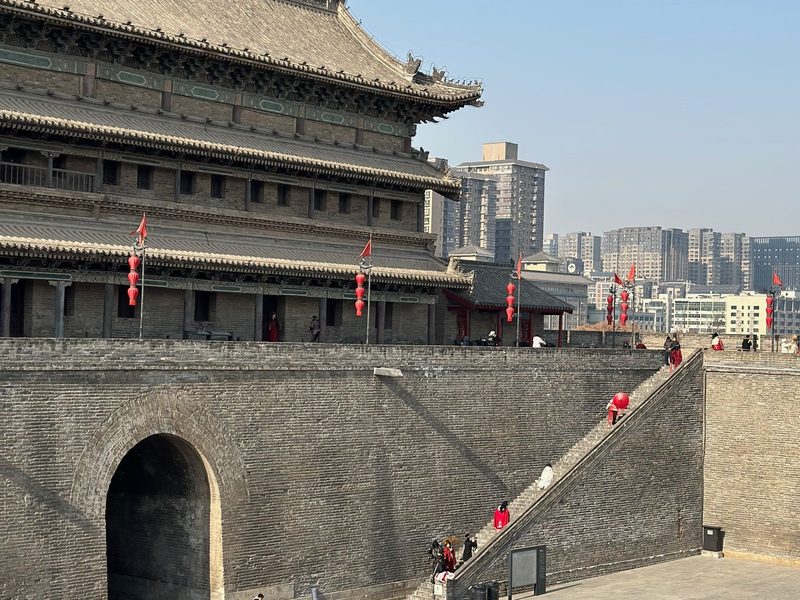
Everyone tells you to cycle the wall at sunset. They leave out the rental clock, the wind and the fact that the last half is mostly about finishing. Here is how to do it without hating it.

Chengdu Hotpot, How to Order a Red Oil Pot
Seconds for tripe and duck intestine, whether a split pot is embarrassing, an honest record from queue to bill.

Chongqing Hotpot, from Ordering to Dipping Tripe
What to order, what it costs, where you won't queue all night. A field record of eating hotpot in Chongqing, with an ordering sequence and the traps to avoid.
Want a plan that fits your dates?
Tell us your dates, budget and what you actually like doing — we will send back a day-by-day plan by email. No charge for the first draft.
Plan with us →