Eating Duck in Nanjing, Plain Talk
Nanjing takes one duck apart into a dozen parts, and every part has its own way of being eaten. An honest record from eating your way through, with an order, prices and the traps.
How Nanjing eats a duck
Salted duck is eaten cold. The skin is pale, the meat firm, the brining clean, and the bird is sliced onto a plate. It is nothing like crisp-skinned Peking duck and it does not rely on a dipping sauce — the point is the duck and the cure. A quarter costs ¥25–35 (about $3.6–5), chopped to take away.
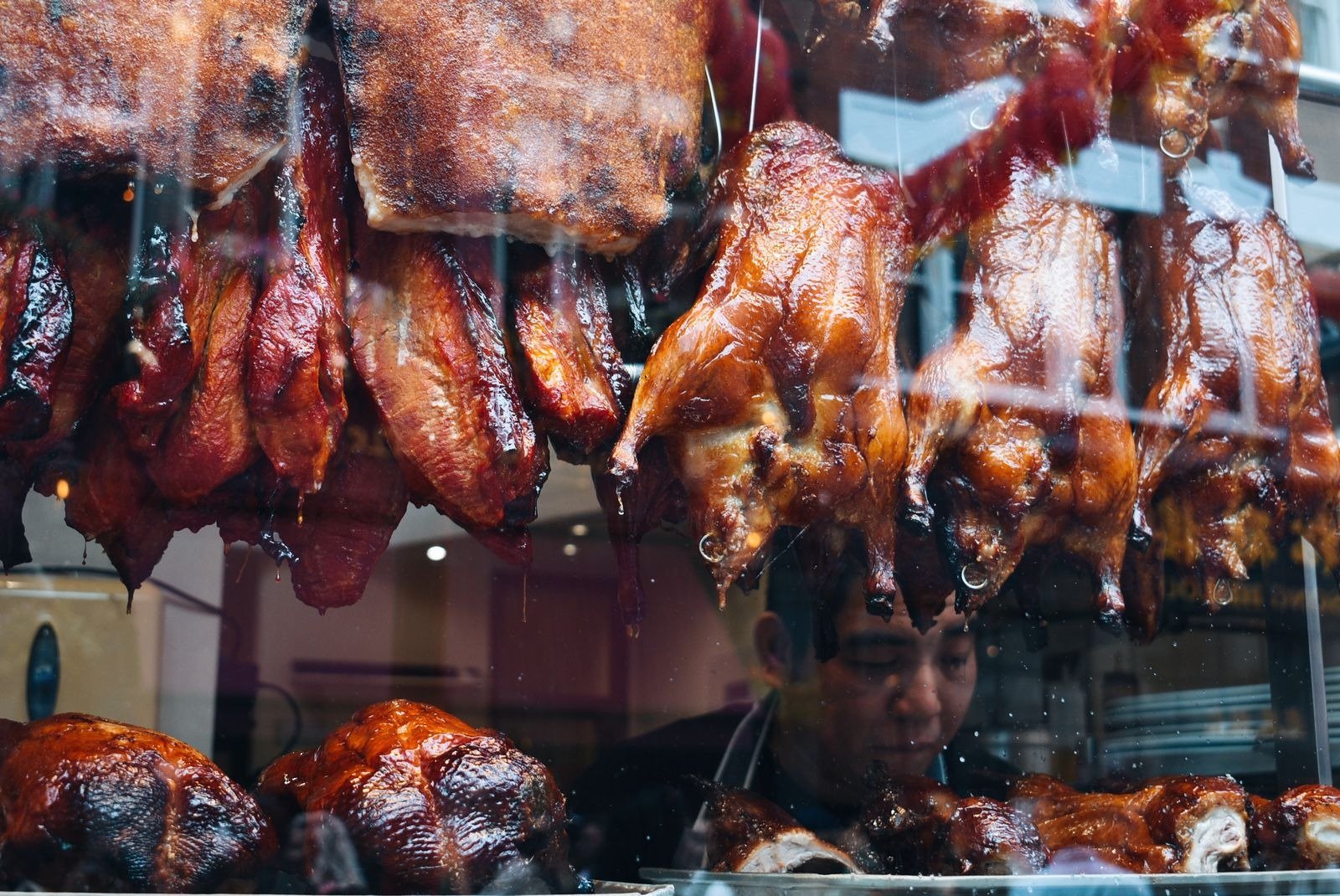
Judge a shop by whether locals are waiting outside. The tourist favourite is not necessarily the best. The real difference is between a bird cut that morning and a vacuum-packed one: the second is cheaper and convenient, but you lose that fresh edge.
The morning bowl
Duck blood vermicelli soup is the standard Nanjing breakfast. The blood is cut into cubes that wobble; the thin vermicelli has drunk up the duck-bone stock; intestines, liver and fried tofu go in according to house custom. The chilli oil is up to you. ¥18–28 (about $2.6–4) a bowl.
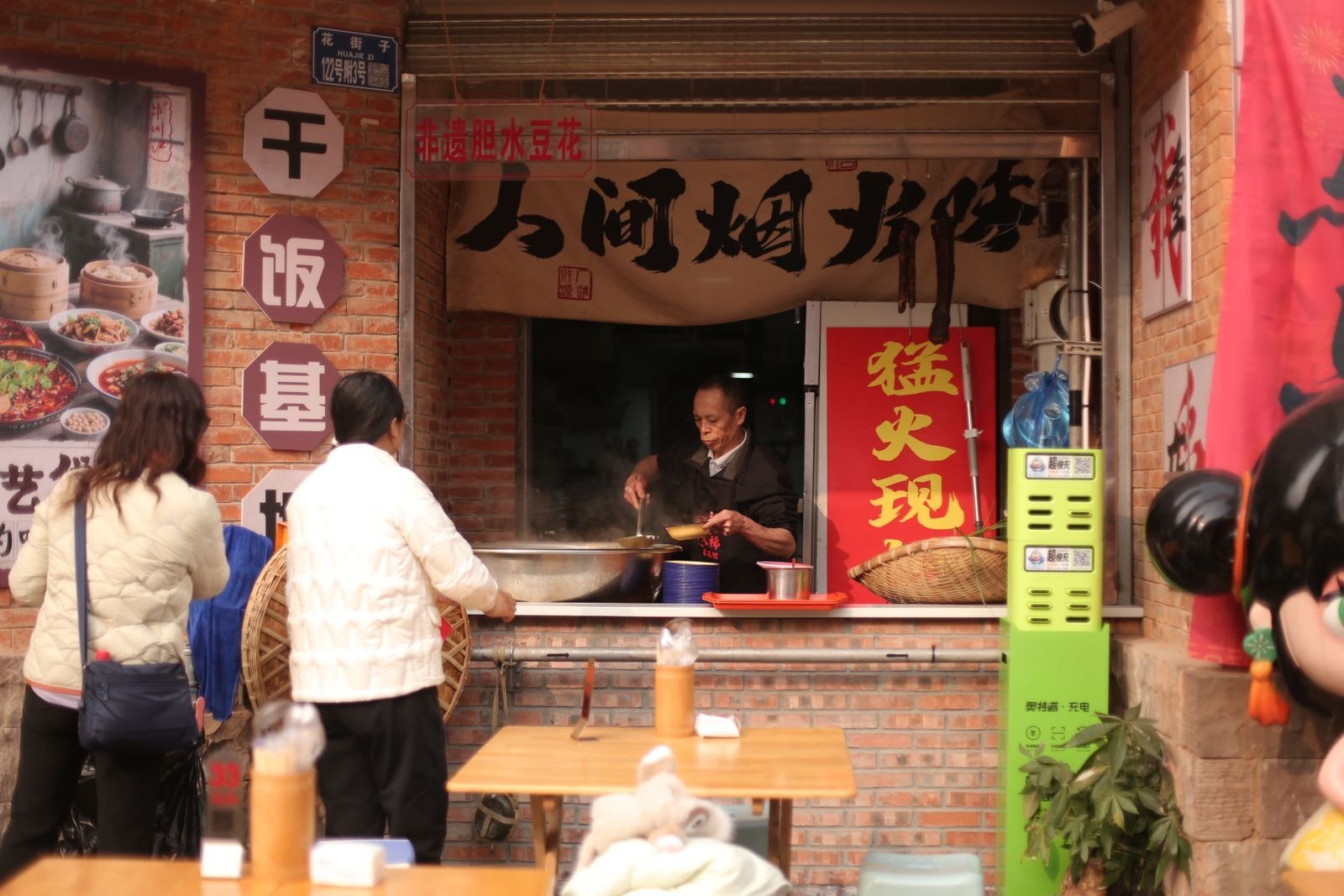
Order a flatbread with it. The duck-fat flatbread comes in crisp layers that crumble; dip a corner into the soup and crisp and soft arrive together. Many people order only the soup and miss half the meal.
Other parts of the bird
Duck tongues, wings, gizzards and hearts all have their own specialists. Qijiawan beef potstickers are the other great thing on the same streets — beef, not duck, but the same local skill. Crisp underneath, juicy inside, faintly sweet and salty, ¥25–35 (about $3.6–5) with a bowl of beef soup.
For something sweet, red bean dumplings and sweet taro from the old pastry shops run ¥10–15 (about $1.4–2.1) a bowl. Good for a mid-afternoon pause.
Where to go
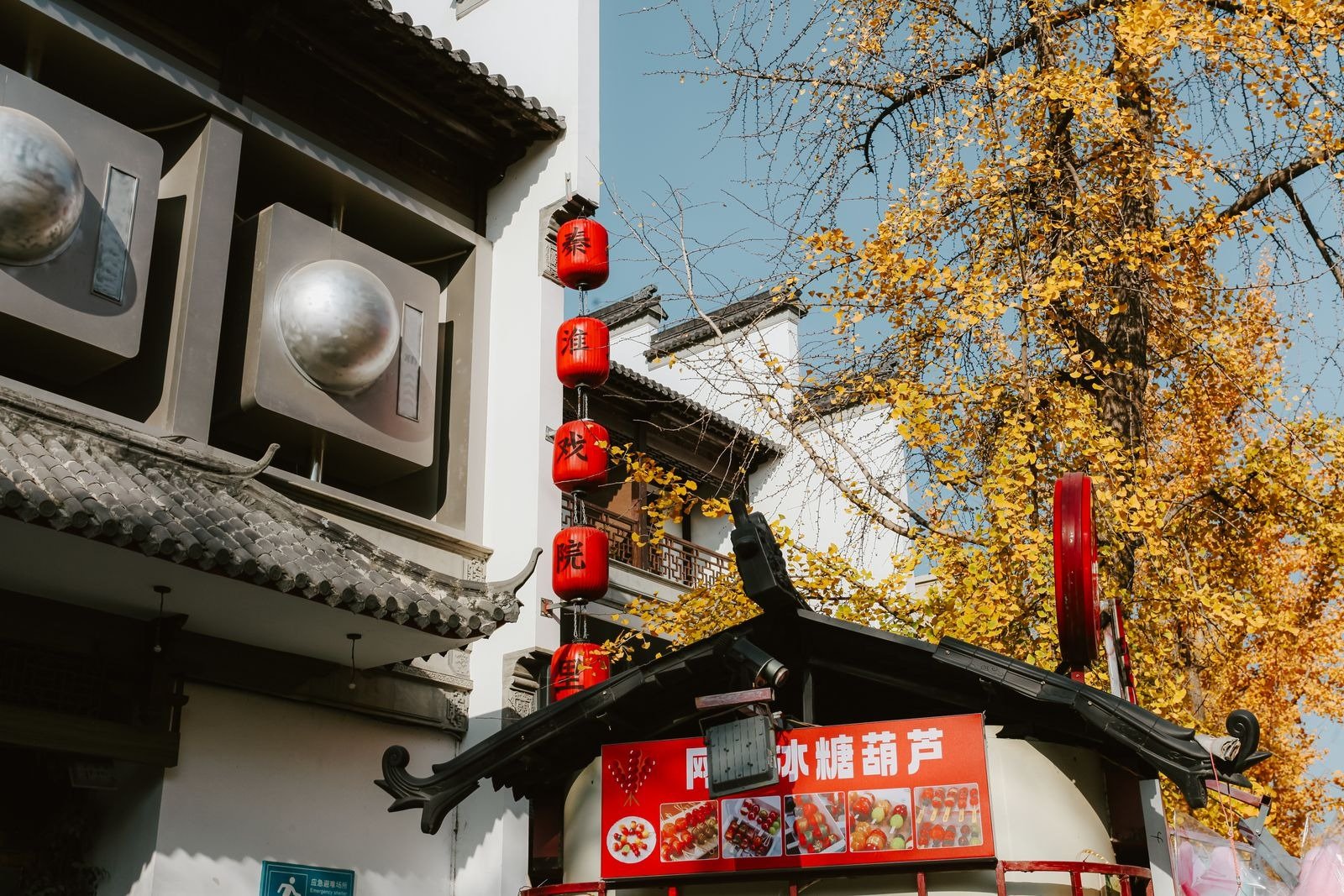
Ke Lane is the most local, where residents eat on the way to the market — and it queues badly on holidays. Mingwalang and Lujia Lane near Xinjiekou are the office workers’ canteens, with noodle shops and duck stalls side by side. Laomendong is the visitor-friendly version, attractive after dark and cheaper than the Confucius Temple strip.
In short
Don’t stand an hour outside the most famous shop. Nanjing’s duck stalls are generally good; pick the one with locals queueing, sit down, and eat.
Common questions
How much salted duck should I buy?
A quarter bird at ¥25–35 (about $3.6–5) is enough for two, chopped and wrapped. Vacuum-packed travels well but tastes a step behind; freshly cut is better.
What does a bowl of duck blood soup cost?
¥18–28 (about $2.6–4) in a neighbourhood shop, with flatbread or potstickers extra. Tourist-zone prices can double. Walk two metro stops into a residential area.
Which shop is worth the queue?
Don't obsess over the famous name. Any shop with locals waiting and a fast turnover is usually sound, and weekday mornings beat weekends by a mile.
Related
The Terracotta Army, With and Without a Guide
I did the Terracotta Army twice, once cold and once with an official guide. The difference was not trivia — it was the difference between seeing clay statues and understanding an army.
Cycling Xi'an City Wall, Minus the Romance
Everyone tells you to cycle the wall at sunset. They leave out the rental clock, the wind and the fact that the last half is mostly about finishing. Here is how to do it without hating it.
Chengdu Hotpot, How to Order a Red Oil Pot
Seconds for tripe and duck intestine, whether a split pot is embarrassing, an honest record from queue to bill.
Want a plan that fits your dates?
Tell us your dates, budget and what you actually like doing — we will send back a day-by-day plan by email. No charge for the first draft.
Plan with us →