Hangzhou Cooking, a Table Built on Sweet and Light
Hangzhou cooking does not shout. It is light, a little sweet, and all about ingredients and heat. An honest record after several meals — which dishes are worth ordering, what they cost, and where the tourist traps are.
Sweet and light is the baseline
Hangzhou cooking does not reach for chilli the way Sichuan or Hunan does. It is light and a little sweet — not from sugar poured in, but from ingredients and heat. Su Dongpo served as governor here and dredged West Lake and built the causeway that bears his name. Locals sent him pork, and he had it braised slowly and shared with the workers: that is the story behind Dongpo pork.
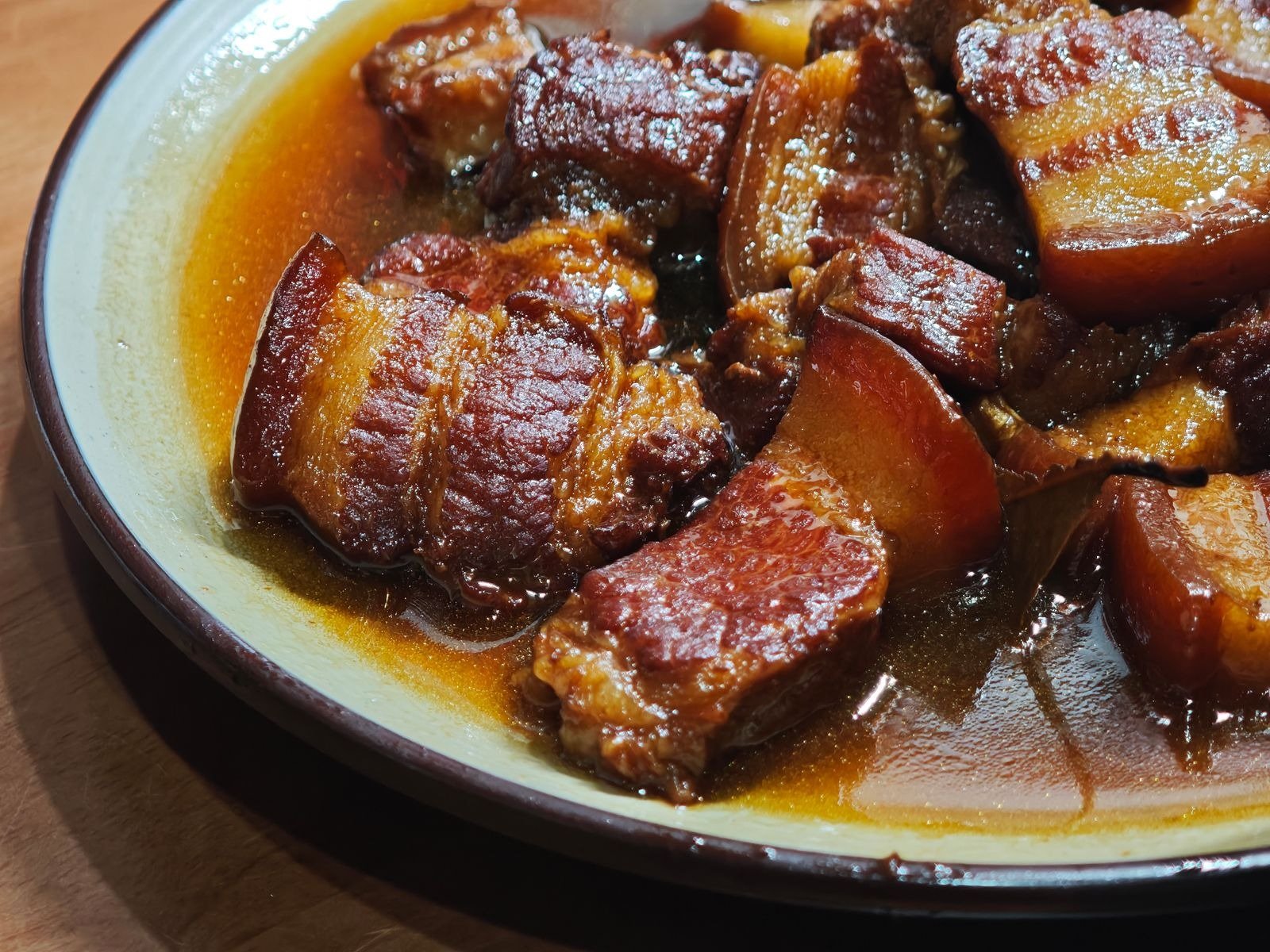
A good plate comes in neat squares, glossy red, the fatty layer trembling but holding together, giving way to the chopsticks. At ¥30–50 (about $4.3–7.1) a portion, two people sharing is about right, with plain rice on the side.
The three famous dishes
Dongpo pork is the safe order — the lowest risk and rarely badly done.
West Lake vinegar fish divides people. It is made from grass carp from the lake, starved for a few days to clean its taste, then dressed in a sweet-and-sour sauce; the point is tender fish and a glossy sauce. The problem is that the sugar-and-vinegar hits hard, and many first-timers pause at the first bite. At ¥80–120 (about $11–17) a portion, split one between two on your first visit.
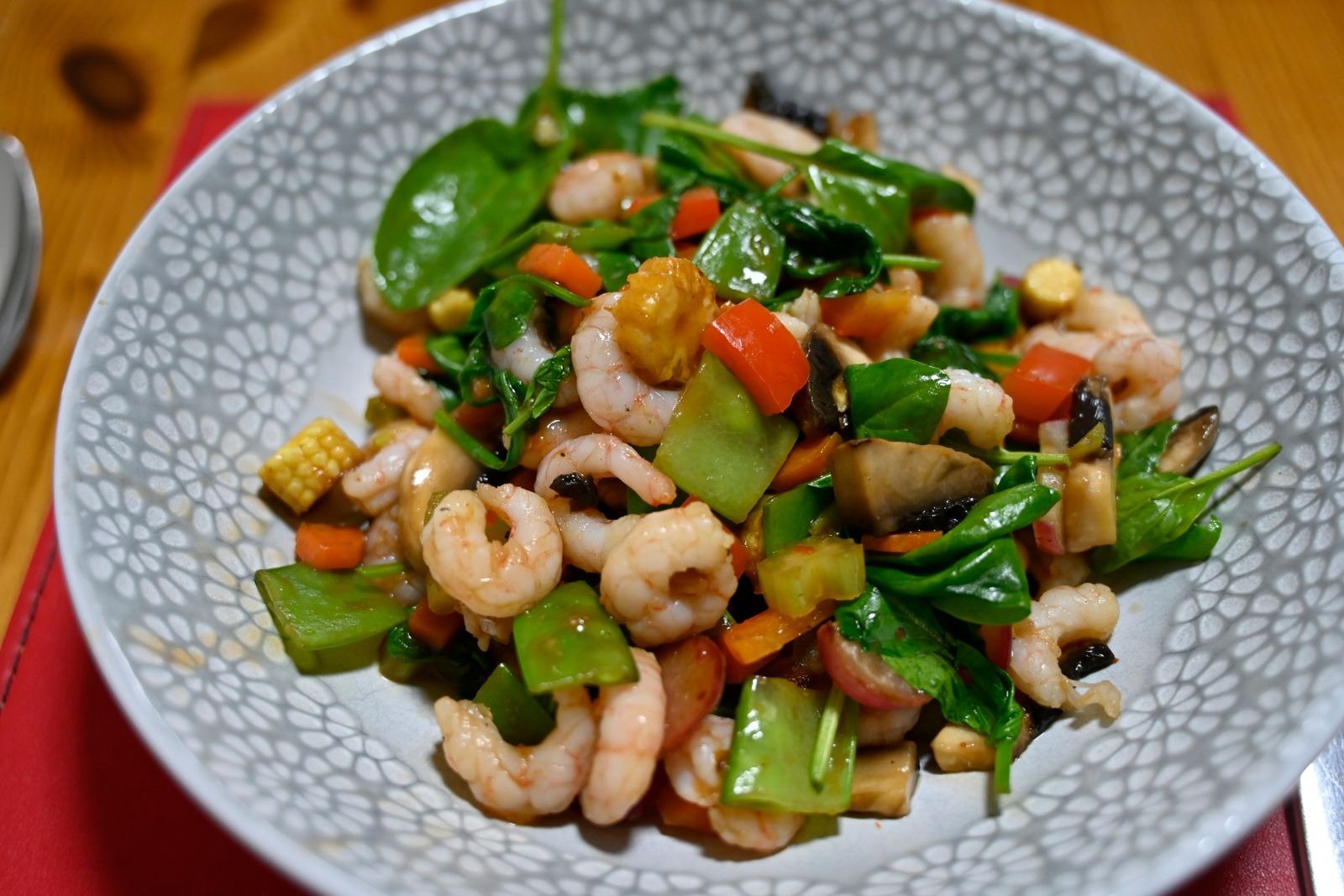
Longjing shrimp is the cleverest dish in Hangzhou. Tender pre-Qingming tea leaves are stir-fried with river prawns, the tea fragrance wrapping the sweet shrimp, and the colour stays clean. A good plate is ¥80–120 (about $11–17), with springy prawns and leaves that never turn bitter.
The real stars are the snacks
What made me love eating here was not the grand dishes. Pian er chuan is a bowl of noodles with preserved mustard greens, bamboo shoots and shredded pork in a clear, savoury broth — ¥15–25 (about $2.1–3.6). At old places like Xin Feng, the queue at breakfast is locals.
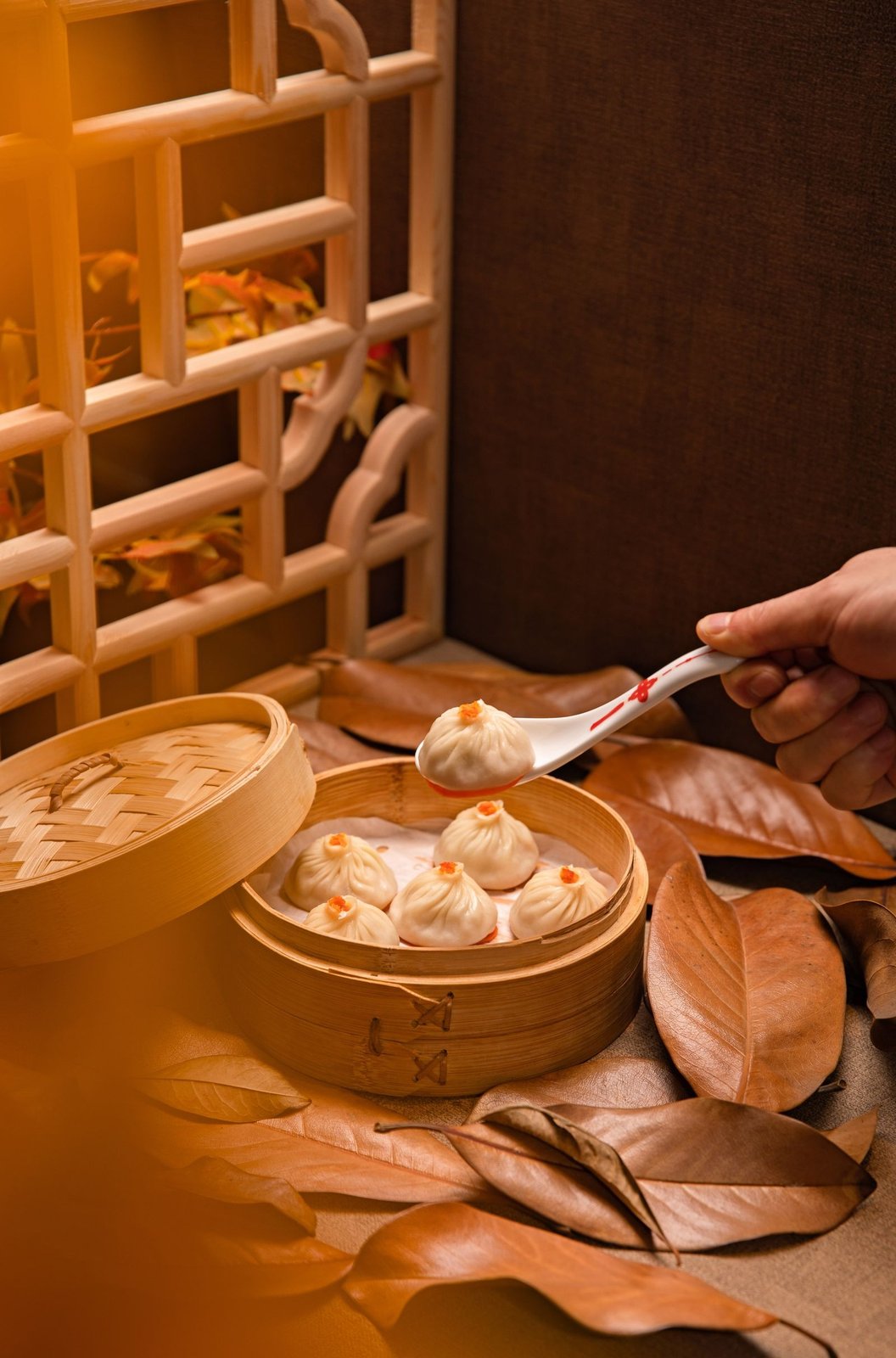
Zhiwei xiaolongbao have thin skins and plenty of soup, ¥20–30 (about $2.9–4.3) a basket, eaten with vinegar. Victory cakes are steamed rice flour with a little red-bean paste in the middle, lightly sweet. Congbao hui is a street pancake rolled around fried dough and brushed with sweet bean sauce, ¥5–10 (about $0.7–1.4), best eaten hot.
Where to eat
Lou Wailou on Gushan Road has the biggest name and the best position, with West Lake outside the window. A big name also means queues and a premium, so read the menu prices before ordering. For better value, walk into the residential streets — the small restaurants around Wulin and Fengqi Road cook Hangzhou food just as well for noticeably less.
A simple test: look for locals. At noon, if the tables are full of people speaking Hangzhou dialect, you are probably in the right place.
Common questions
Is Hangzhou food expensive?
¥80–150 (about $11–21) a head eats well. Dongpo pork is ¥30–50 (about $4.3–7.1) a plate, West Lake vinegar fish ¥80–120 (about $11–17), and pian er chuan noodles ¥15–25 (about $2.1–3.6) a bowl.
Is West Lake vinegar fish worth ordering?
It is famous but divisive — heavily sweet and sour, and not everyone takes to it. On a first visit, split one portion between two people and don't expect too much.
Do I need a reservation?
The famous restaurants on the lakefront and near Gushan queue at weekend mealtimes; weekday lunch is easier. Neighbourhood places need no booking and are often steadier.
Related
The Terracotta Army, With and Without a Guide
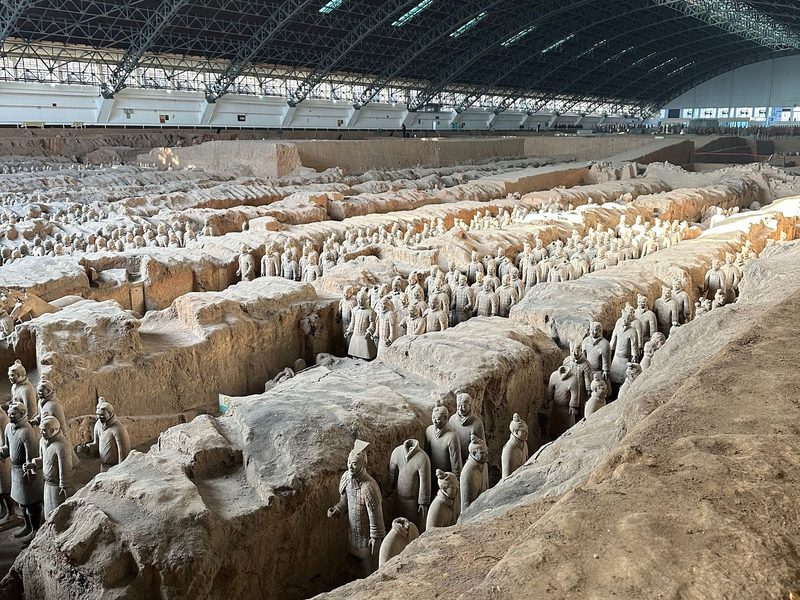
I did the Terracotta Army twice, once cold and once with an official guide. The difference was not trivia — it was the difference between seeing clay statues and understanding an army.
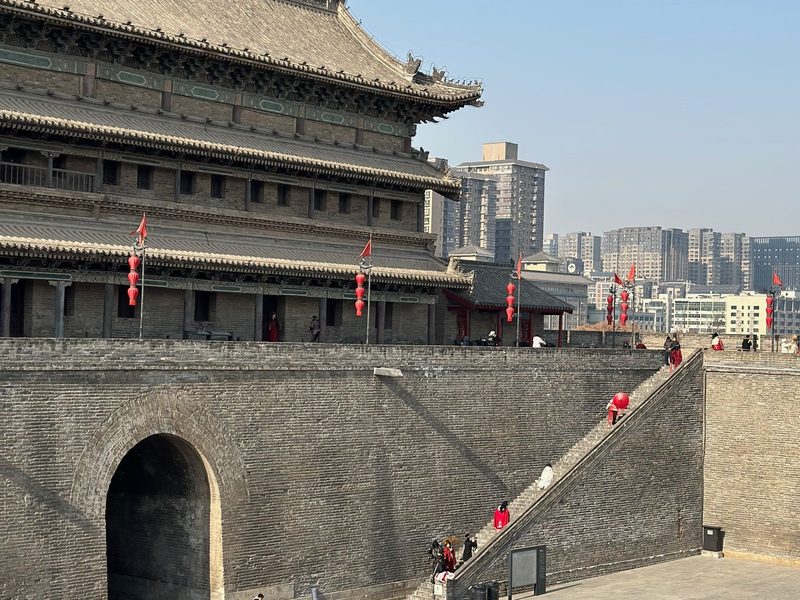
Cycling Xi'an City Wall, Minus the Romance
Everyone tells you to cycle the wall at sunset. They leave out the rental clock, the wind and the fact that the last half is mostly about finishing. Here is how to do it without hating it.
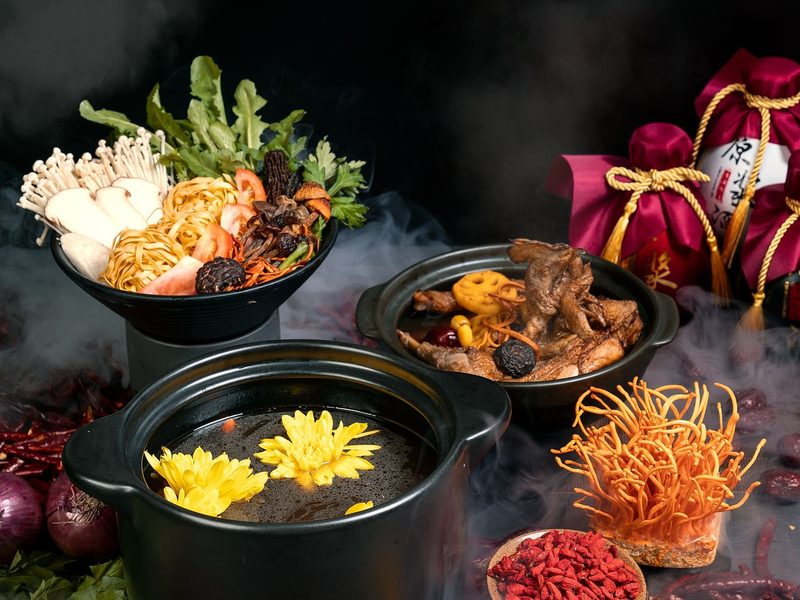
Chengdu Hotpot, How to Order a Red Oil Pot
Seconds for tripe and duck intestine, whether a split pot is embarrassing, an honest record from queue to bill.
Want a plan that fits your dates?
Tell us your dates, budget and what you actually like doing — we will send back a day-by-day plan by email. No charge for the first draft.
Plan with us →