An Afternoon of Pingtan
You can sit through an afternoon without understanding a word of Suzhou dialect. Pingtan is not about the lyrics — it is the melody and a room of people swaying with their eyes shut, singing along inside.
Push the door, the tea is already poured
Several small storytelling halls line Pingjiang Road, with boards outside listing the day’s pieces and times. I picked one and went in. It was not large — a few square tables, teapots already set out. The two o’clock crowd was mostly older local people, teacups in hand, eyes closed.
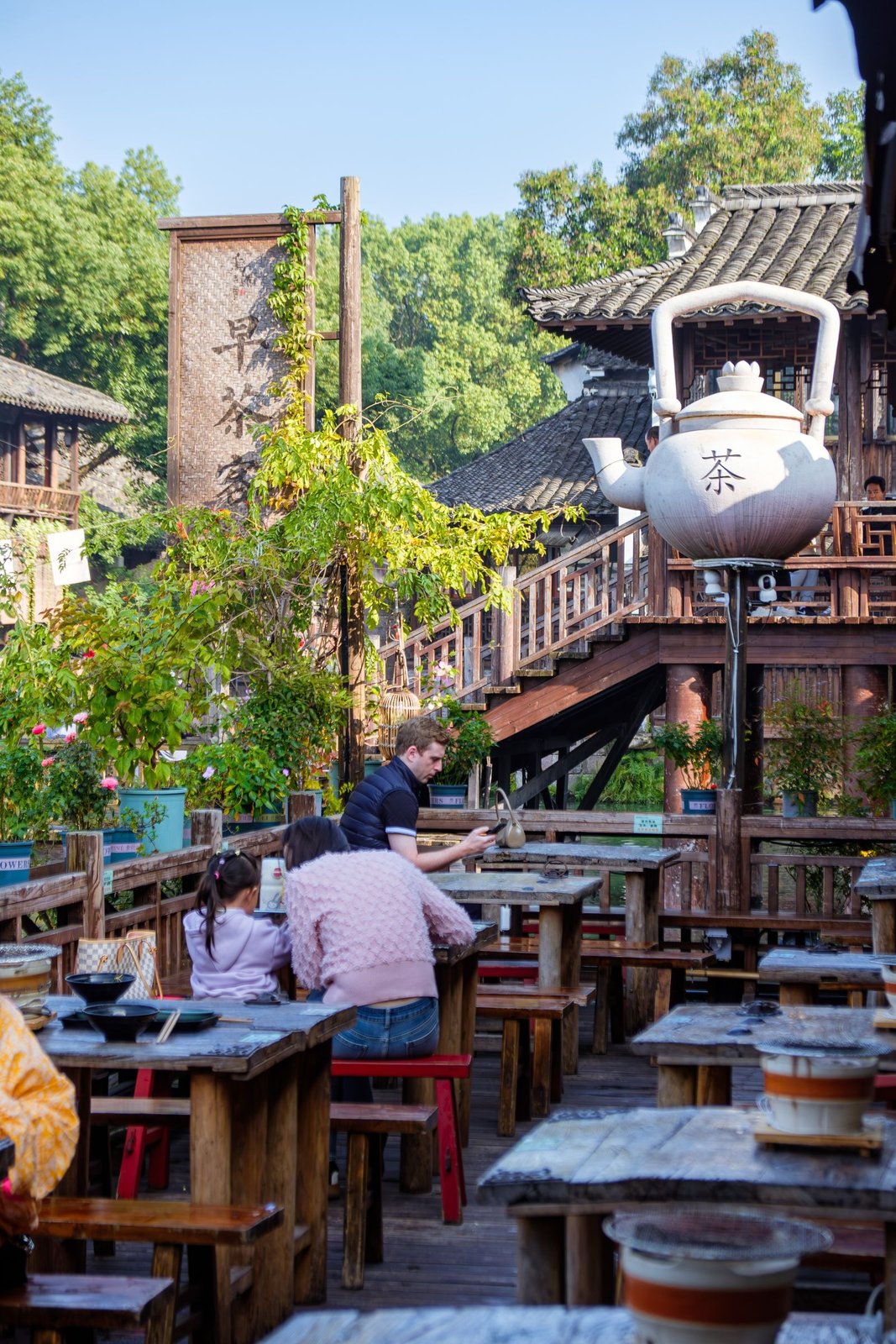
A pot of tea is ¥50–80 (about $7.1–11), which is not cheap, but a set runs over forty minutes and nobody hurries you out. Staff top up the cups often; when yours is empty, someone comes to refill it.
The sanxian sounds, the room goes quiet
The storyteller comes on, strums a passage on the sanxian, then begins to speak. The Suzhou dialect is soft, its endings drawn downward. I did not understand a word, but I could hear the shape of the story — the voice drops at the tense part, and the storyteller laughs first at the funny part, with the old people below swaying along.
An old man beside me kept his eyes shut the whole time, tapping a rhythm on the table with one finger. I watched him for a while and realised this is what listening looks like: eyes closed, so the story can unfold inside.
At the interval I asked the attendant what the story was. She said it was an episode from “Three Smiles”, about a scholar and a maid called Qiuxiang. I said I could not follow it, and she laughed: most young people here can’t either. Sitting still is enough.
After the set
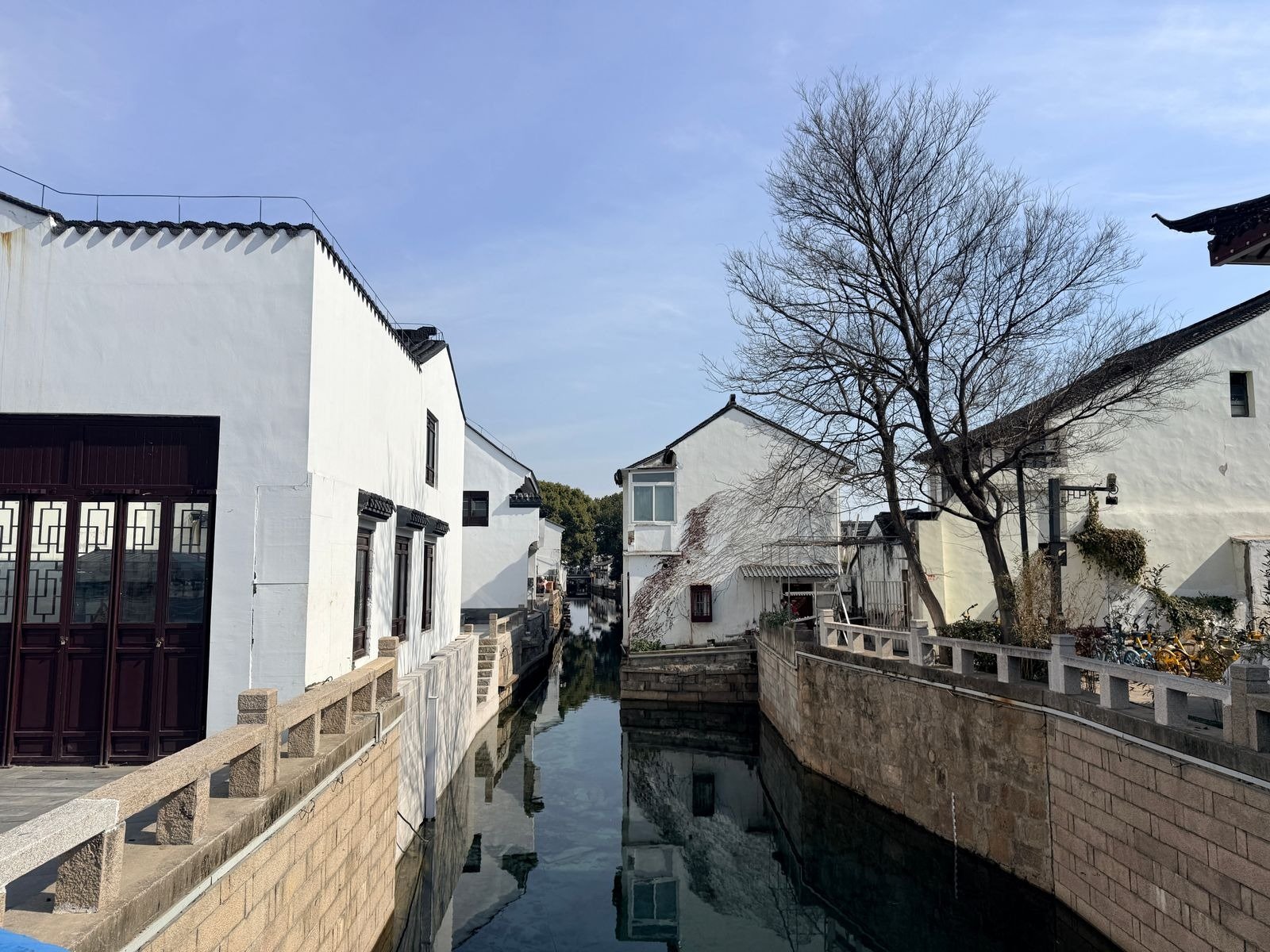
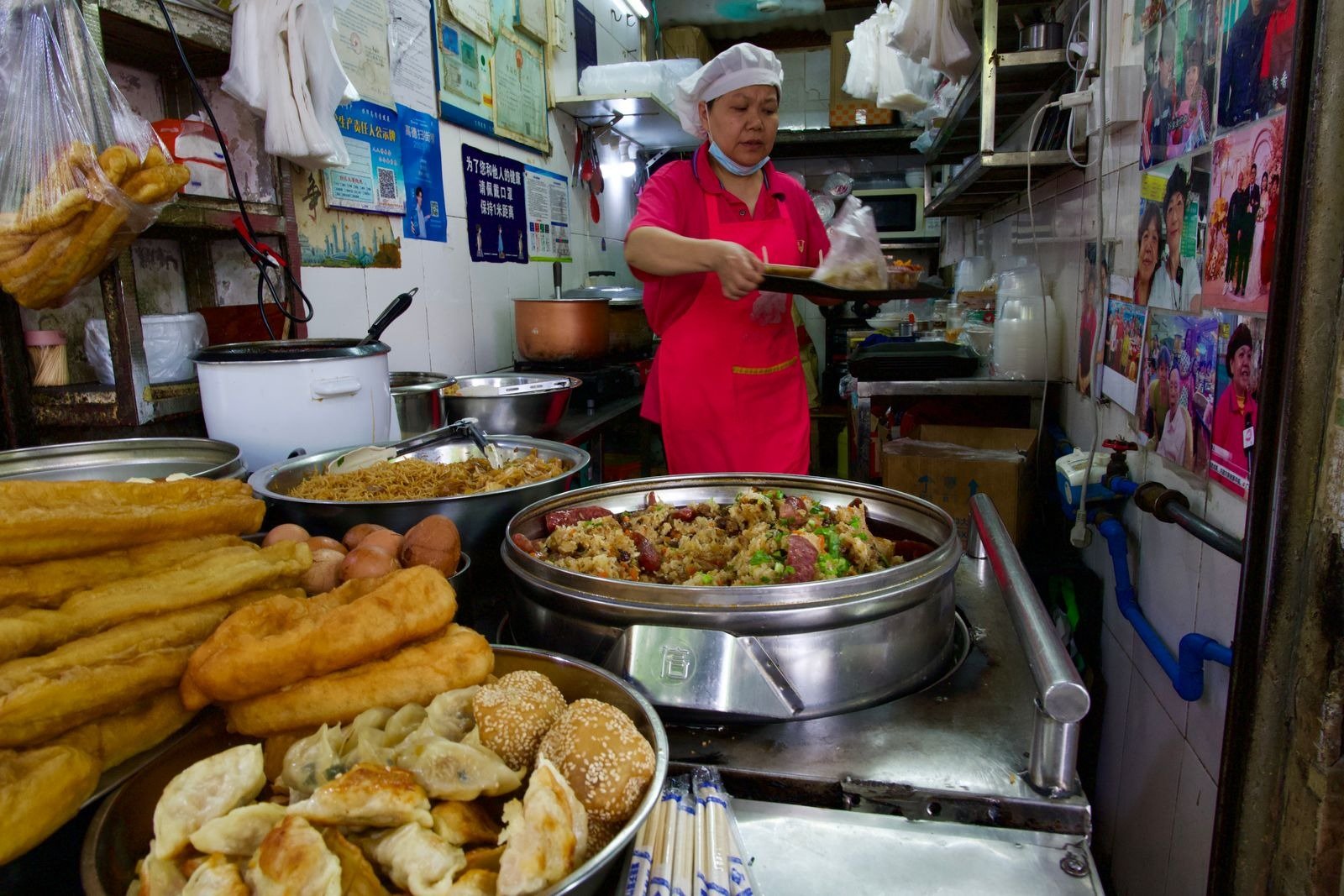
When the storytelling ended, the room emptied slowly. Outside, the light on the street was at its best and a boat went along the canal. I walked a few hundred metres beside the water, still hearing that sanxian phrase in my head. The set did not teach me a single word of Suzhou dialect, but it taught me what slowing down feels like.
If you go, take the afternoon sitting — fewer people, better light. Sit down without your phone and try closing your eyes like the people around you. The words will escape you; the pipa and sanxian will tell the whole afternoon for you.
Related

A Chongqing Night in Nine Squares
Hotpot is not a meal here; it is how a Chongqing day ends. Learn the nine-grid pot and the order of the dishes and you have actually eaten hotpot.
A Shanghai Morning Before the Cafés Open
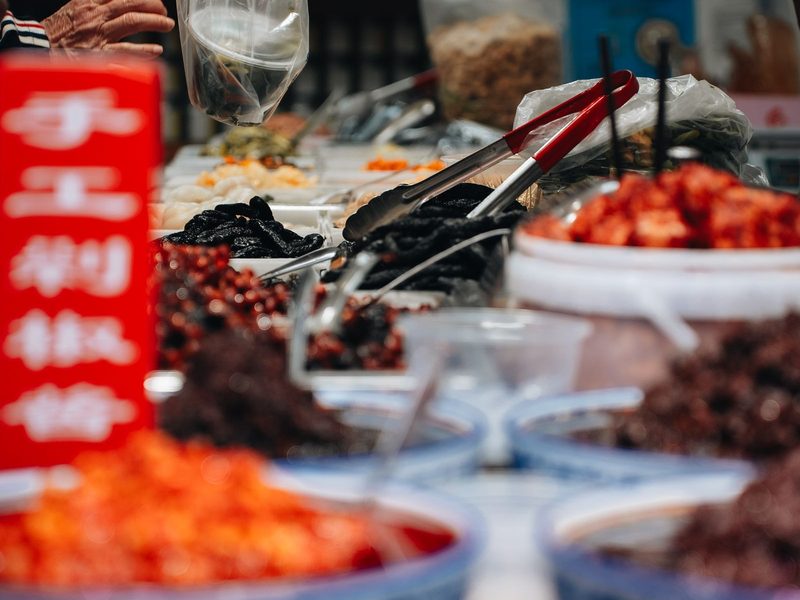
Visitors are still asleep when the local market is already winding down. Join the queue at a stall, watch a bunch of spring onions being weighed, and you have brushed up against a real Shanghai morning.
A Slow Morning on Pingjiang Road
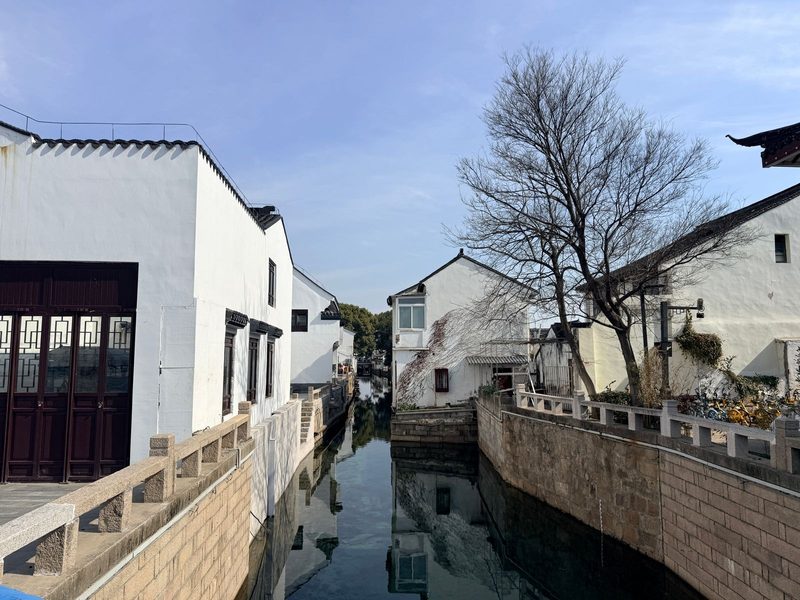
A noodle shop at seven, an empty stone street before nine, a boat on the water. The best thing about Pingjiang Road is not any one shop — it is that you can take a whole morning at your own pace.
Want a plan that fits your dates?
Tell us your dates, budget and what you actually like doing — we will send back a day-by-day plan by email. No charge for the first draft.
Plan with us →