The urban village, where Shenzhen lands
Of the seventeen million people here, plenty spent their first year not in an apartment but in an urban village. Handshake buildings, a shop at the mouth of every lane, rice noodle rolls for eight yuan.
Walking into a Shenzhen urban village for the first time is disorienting. The buildings stand an arm’s length apart. Look up and there’s a strip of sky; laundry poles reach from one block to the next with clothes turning in the wind.
These are called handshake buildings — you could shake hands with the neighbour across the gap. Bad light, poor ventilation, cheap rent, close to a metro station. A lot of people spend their first year in Shenzhen in one.
Who lives here
Delivery riders, programmers, graduates in their first job, a Chaoshan couple running a shop, a fitter from Hunan. Almost everyone in this city came from somewhere else, and the urban village is where they land.
There is always food at the mouth of the lane: rice noodle rolls at CNY 8 (about $1.1), a plate of braised pork leg over rice at CNY 20 (about $2.9), beef hot pot ordered cut by cut. At ten at night the lanes are busier than they are by day, scooters one after another.
Demolished, or kept
Most of Baishizhou is gone — a place that once housed over a hundred thousand people is now a construction site. Shuiwei, Huanggang and Nantou survive; some have been painted up into creative quarters with coffee bars, and the rents went up with them.
Cities renew themselves, and there’s no arguing with that. But these places are disappearing faster than most visitors expect, so see one while it’s still there.
How to walk one
Don’t plan it. When you go to Nantou, take two extra lanes off the main street; or find a beef hot pot place in a village one evening and sit there for an hour. No photographs needed, no lookout point to hunt down.
Shenzhen’s beauty is in the skyline. Shenzhen’s truth is in the lanes. You need both to say you’ve been.
Related
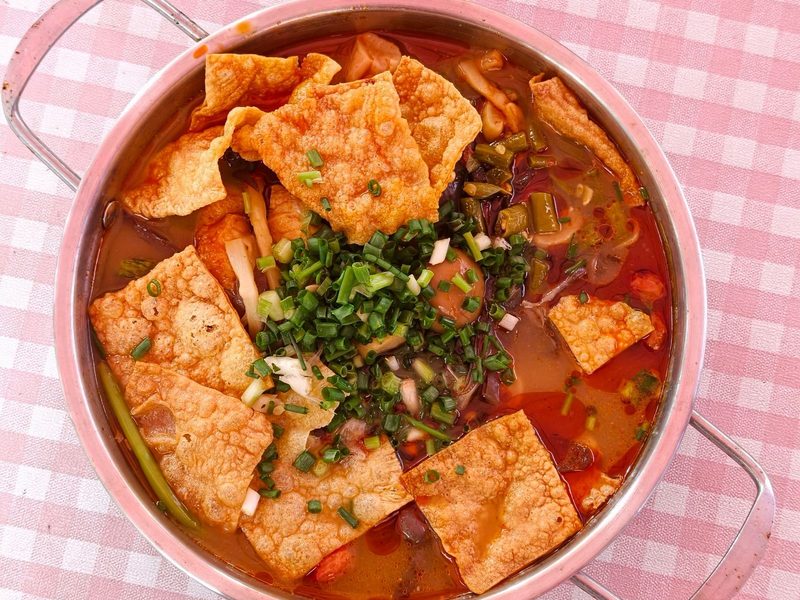
A Chongqing Night in Nine Squares
Hotpot is not a meal here; it is how a Chongqing day ends. Learn the nine-grid pot and the order of the dishes and you have actually eaten hotpot.
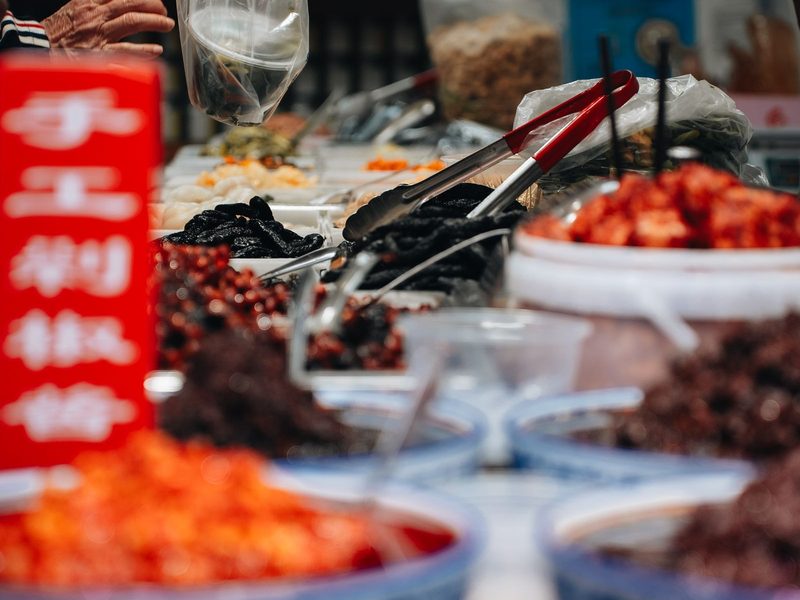
A Shanghai Morning Before the Cafés Open
Visitors are still asleep when the local market is already winding down. Join the queue at a stall, watch a bunch of spring onions being weighed, and you have brushed up against a real Shanghai morning.
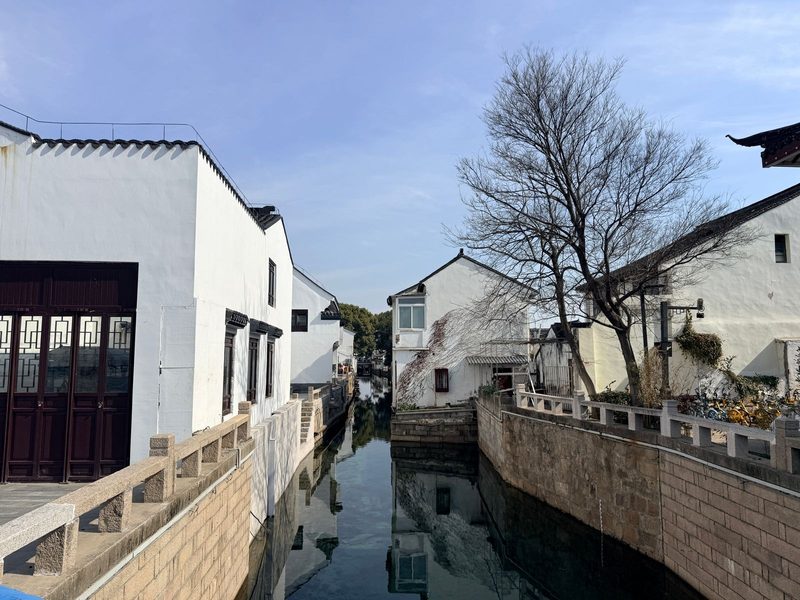
A Slow Morning on Pingjiang Road
A noodle shop at seven, an empty stone street before nine, a boat on the water. The best thing about Pingjiang Road is not any one shop — it is that you can take a whole morning at your own pace.
Want a plan that fits your dates?
Tell us your dates, budget and what you actually like doing — we will send back a day-by-day plan by email. No charge for the first draft.
Plan with us →