One pot, two baskets, a whole morning
Dim sum isn't a meal here, it's the whole morning — catching up, closing deals, reading the paper. Learn how a teahouse works and you've stepped into the city's daily life.
Ordering tea is the password
Sit down in a teahouse in Guangzhou and the first thing you say isn’t “what’s good”, it’s which tea. Chrysanthemum, pu’er, Tieguanyin, black tea — a pot comes and refills are free.
Tea is the supporting act. The dim sum is the point: har gow, siu mai, char siu bao, chicken feet, basket after basket. The local standard is “one pot, two baskets” — enough to occupy an entire morning.
What comes round
Har gow is where the skill shows. The skin is thin enough to see the whole shrimp inside; bite in and the juice comes, but the wrapper never breaks. A good order is three dumplings, each with twelve folds.
Chicken feet are a local favourite — fried then steamed until they fall off the bone, savoury with a note of fermented black bean.
Rice noodle rolls with crispy shrimp stack three textures in one: soft red rice sheet, a crisp net in the middle, shrimp inside.
Ordering has its own logic. Dim sum is graded large, medium, small and special, and the price follows the grade — the server stamps your card. On a first visit, don’t overthink it. Order what the next table is having, or scan the code on your phone.
Why people sit so long
To an outsider it looks like breakfast. Locals sit two or three hours — talking, reading, working out a deal, the pot refilled until the tea runs pale.
This is the comfortable part of the city. Life moves fast, but this stretch of the morning is quietly allowed to be slow. Carts roll past, steam rises, the tables blend into one hum. You sit there with nowhere to be.
Before you go
- On weekends, popular old teahouses take a queue number from about nine; go on a weekday or before eight for a quiet table.
- Tea is charged per person, one portion each.
- Pay by the stamped card, so keep hold of it.
- Nobody will mind if you order just two baskets and linger — that’s exactly what many locals do.
Related
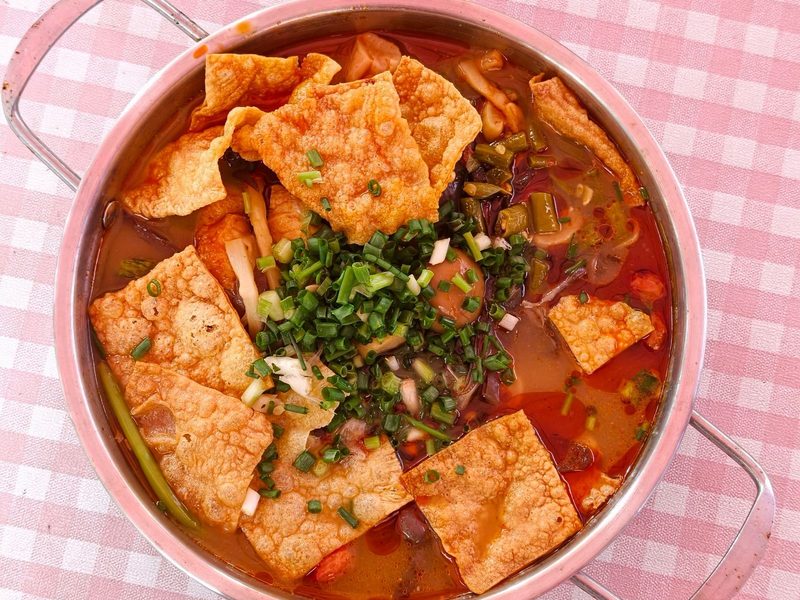
A Chongqing Night in Nine Squares
Hotpot is not a meal here; it is how a Chongqing day ends. Learn the nine-grid pot and the order of the dishes and you have actually eaten hotpot.
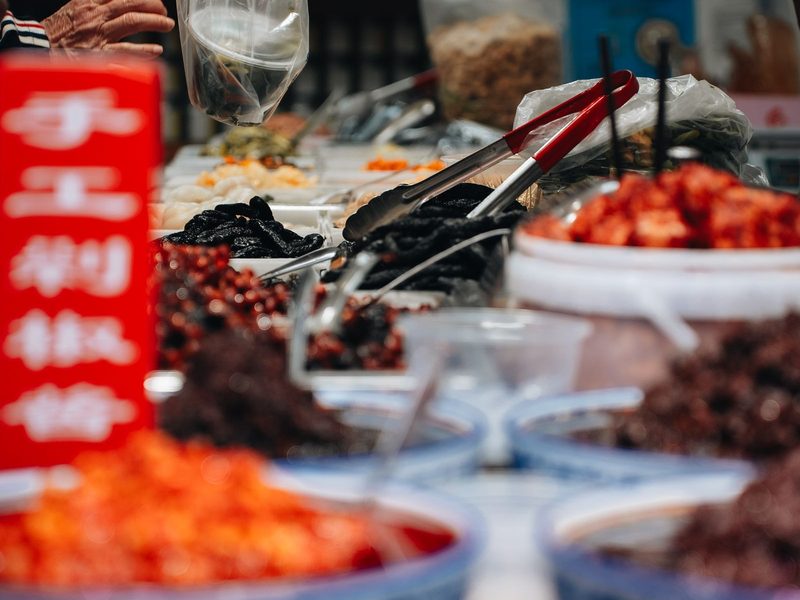
A Shanghai Morning Before the Cafés Open
Visitors are still asleep when the local market is already winding down. Join the queue at a stall, watch a bunch of spring onions being weighed, and you have brushed up against a real Shanghai morning.
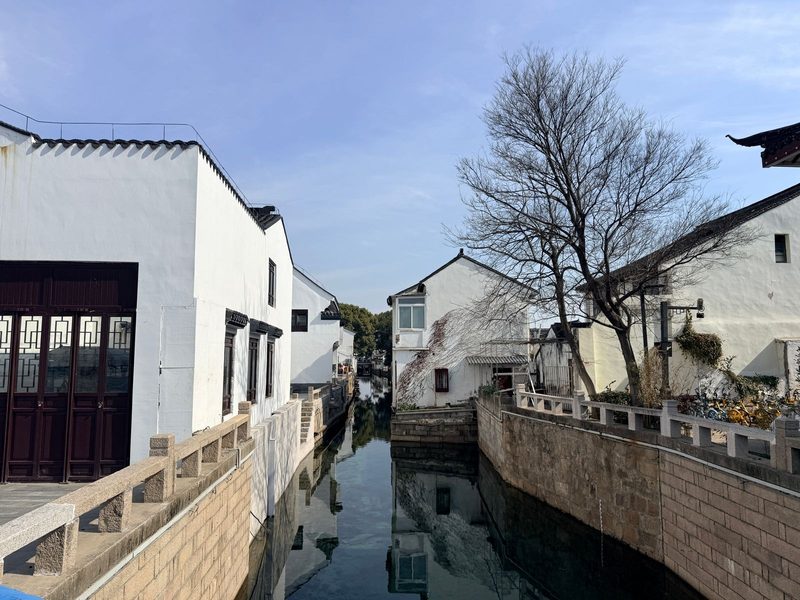
A Slow Morning on Pingjiang Road
A noodle shop at seven, an empty stone street before nine, a boat on the water. The best thing about Pingjiang Road is not any one shop — it is that you can take a whole morning at your own pace.
Want a plan that fits your dates?
Tell us your dates, budget and what you actually like doing — we will send back a day-by-day plan by email. No charge for the first draft.
Plan with us →