An Afternoon in a Bamboo Chair, a Chengdu Teahouse Record
A Chengdu teahouse is not a sight, it is the local living room. Swap stories, get your ears cleaned, watch the street pass — sitting down is the point.
Sitting down is the start
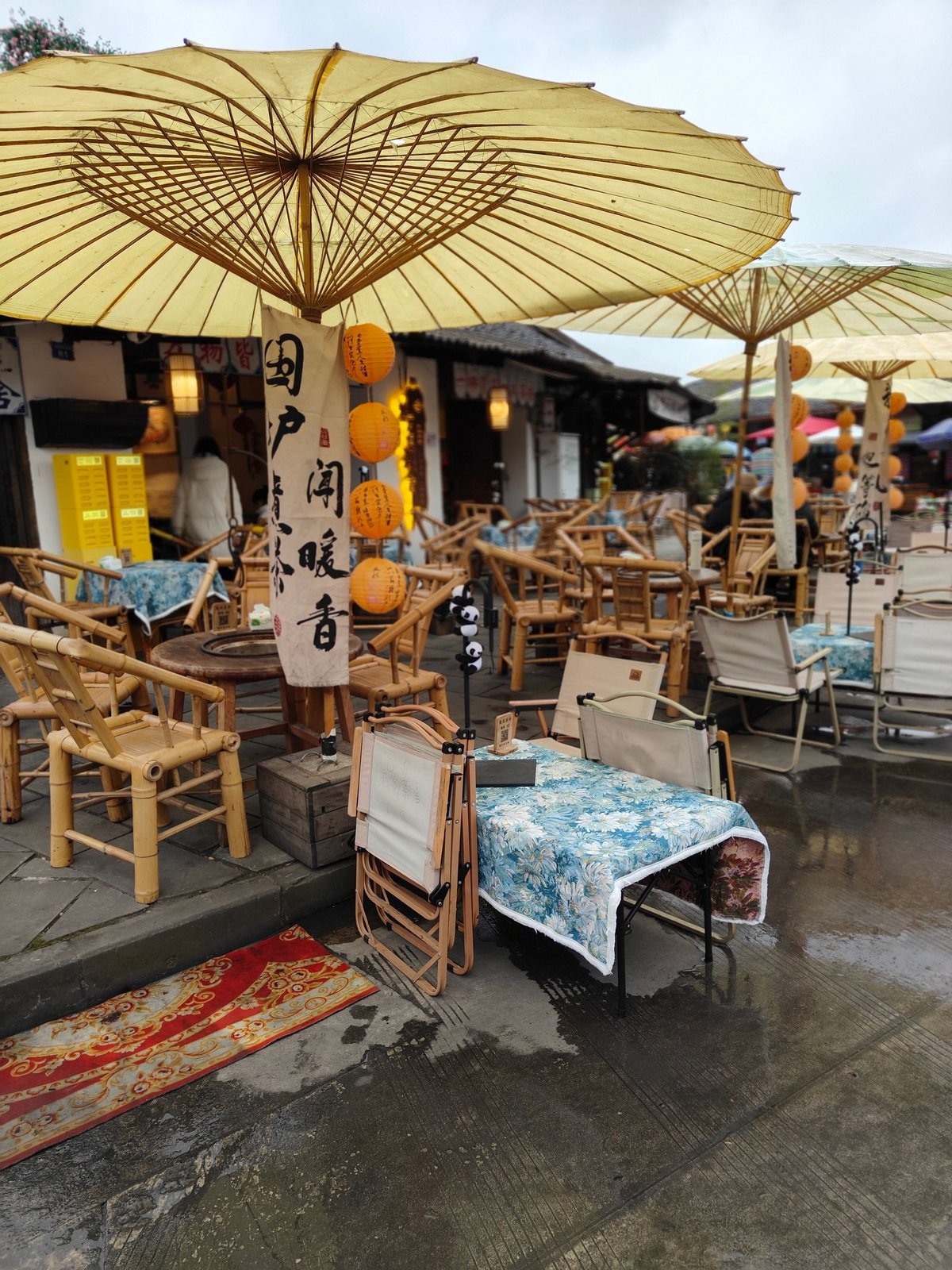
The easiest mistake in an open-air Chengdu teahouse is standing up with a camera. Yellow parasols, bamboo chairs, lidded bowls — the picture is good, but a circuit with a phone and then a quick exit means you might as well not have come.
The right move is to sit. Tell the server which tea you want, jasmine or bamboo leaf green, and a bowl arrives in three pieces: cup, lid and saucer. Push the leaves aside with the lid as you drink; do not tip your head back. When the bowl is empty, no shout is needed — servers walk the rows and top up anything they see.
The sound of the room
Locals call chatting “swinging a long story”. Dozens of tables talk at once, and the result is not noise so much as a steady hum. The next table discusses property, grandchildren and which hotpot place is genuinely the best. You will not follow the words, and it does not matter — the tone is the content.
After a while an ear cleaner threads between the tables, tools catching the light. A regular lifts a head to agree, tilts sideways, and the practitioner works from behind the chair. The sound is fine, like something moving through hair. A wave of the hand is enough to decline, and nobody presses.
My favourite hours are two to three in the afternoon. The sun is held back by the trees, the chairs creak, and time slows right down. A bowl of tea beside you, refilled until it is almost clear, and nowhere you have to be.
There is opera at night
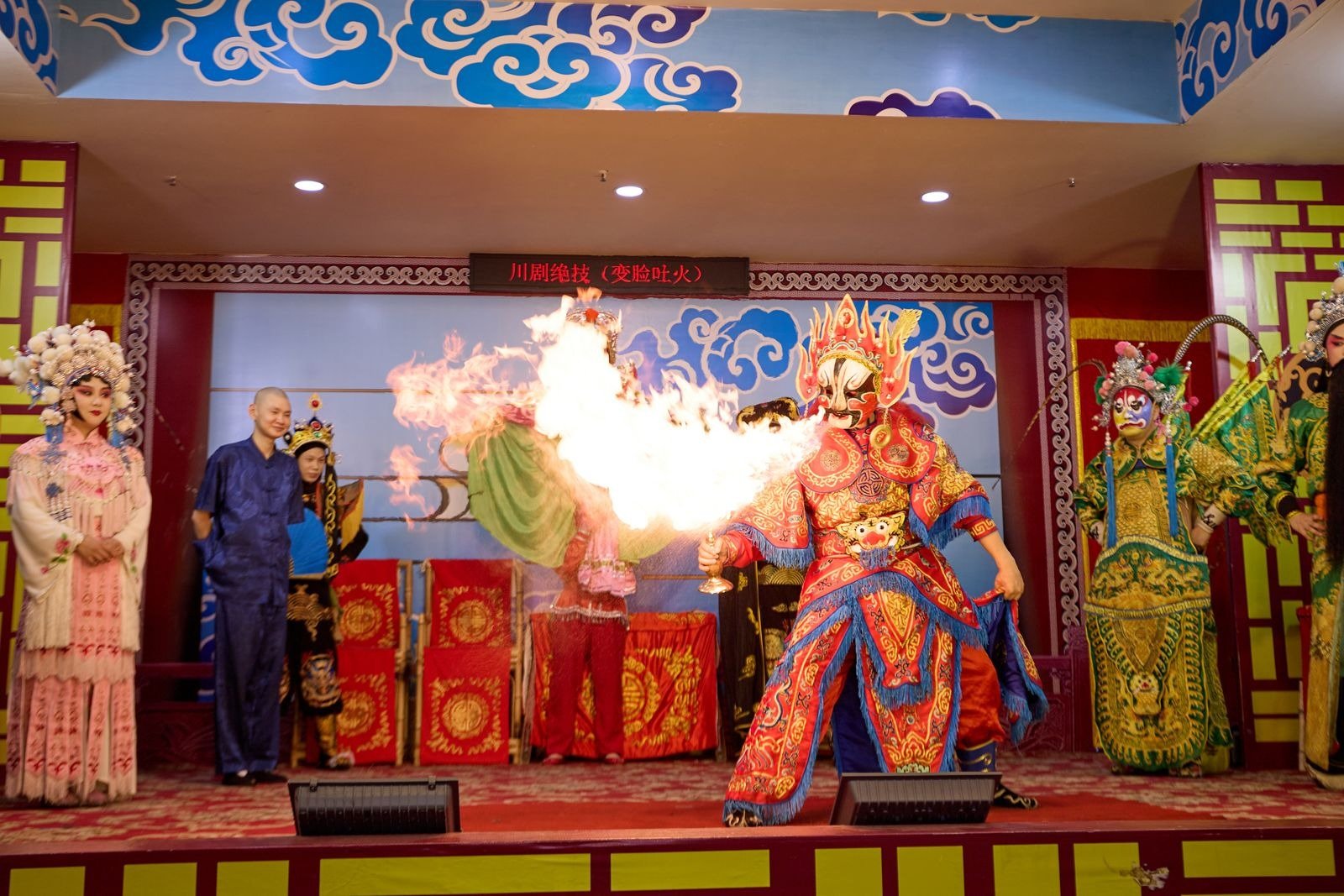
Some old teahouses put on Sichuan opera in the evening. Face-changing is the headline — an actor turns his head and the mask changes, and the room shouts approval over its tea bowls. Tickets run ¥80–150 (about $11–21) including tea, with schedules posted each day. It is closer and looser than a theatre, and the men in the front row are usually more invested than the performers.
Which one to choose
The most famous open-air teahouse is at People’s Park, with plenty of seats and plenty of visitors. For something more ordinary, walk into a neighbourhood teahouse — at a lane entrance, beside a park, wherever you see the yellow parasols and bamboo chairs. It is cheaper at ¥10–20 (about $1.4–2.9) a bowl, louder, and closer to an actual Chengdu afternoon.
Bring a layer. Sitting in the shade cools you faster than you expect, especially in autumn and winter. And do not worry about holding a table — occupying one all afternoon is completely normal here. Nobody will hurry you.
Related
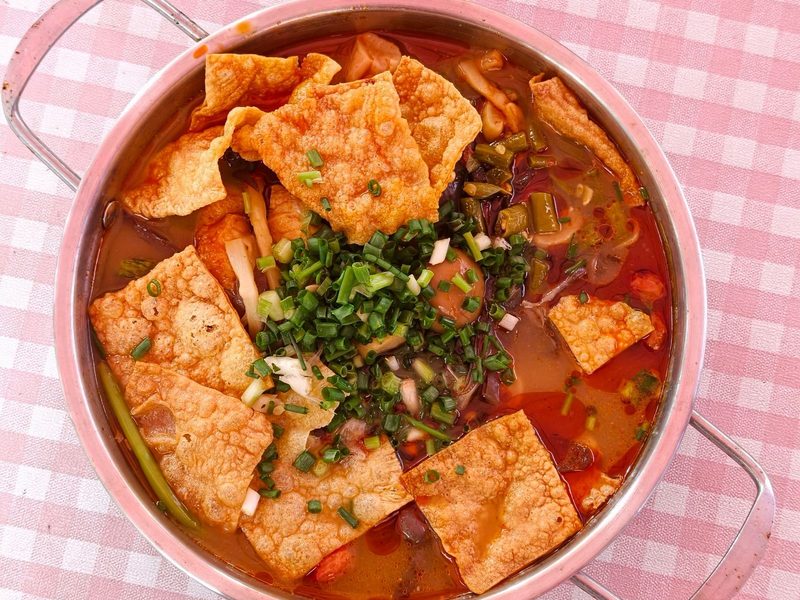
A Chongqing Night in Nine Squares
Hotpot is not a meal here; it is how a Chongqing day ends. Learn the nine-grid pot and the order of the dishes and you have actually eaten hotpot.
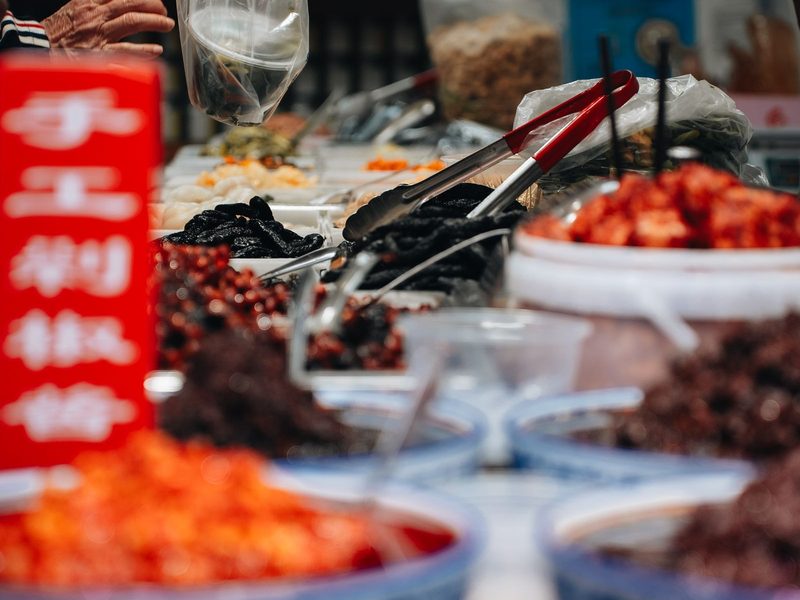
A Shanghai Morning Before the Cafés Open
Visitors are still asleep when the local market is already winding down. Join the queue at a stall, watch a bunch of spring onions being weighed, and you have brushed up against a real Shanghai morning.
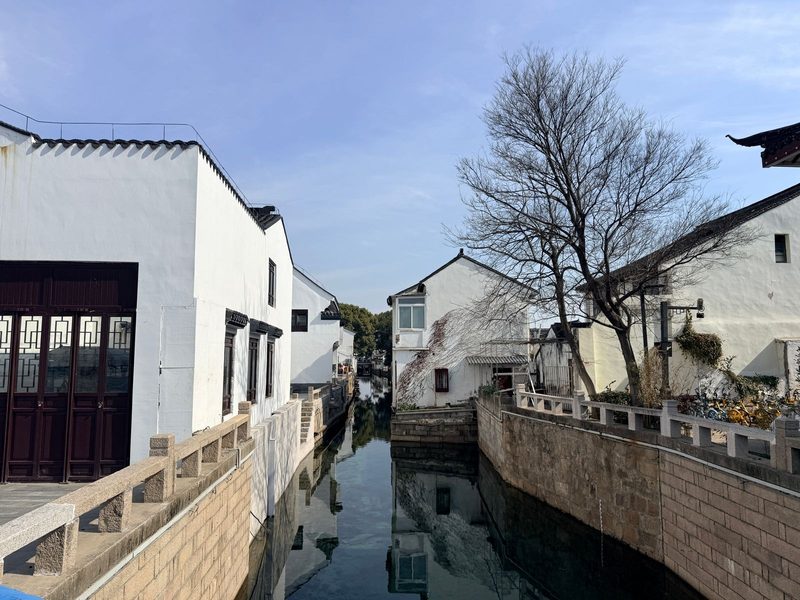
A Slow Morning on Pingjiang Road
A noodle shop at seven, an empty stone street before nine, a boat on the water. The best thing about Pingjiang Road is not any one shop — it is that you can take a whole morning at your own pace.
Want a plan that fits your dates?
Tell us your dates, budget and what you actually like doing — we will send back a day-by-day plan by email. No charge for the first draft.
Plan with us →