March–April
18–27°C
The most pleasant stretch. Humidity hasn't arrived yet; the seafront is windy, so bring a layer.
Best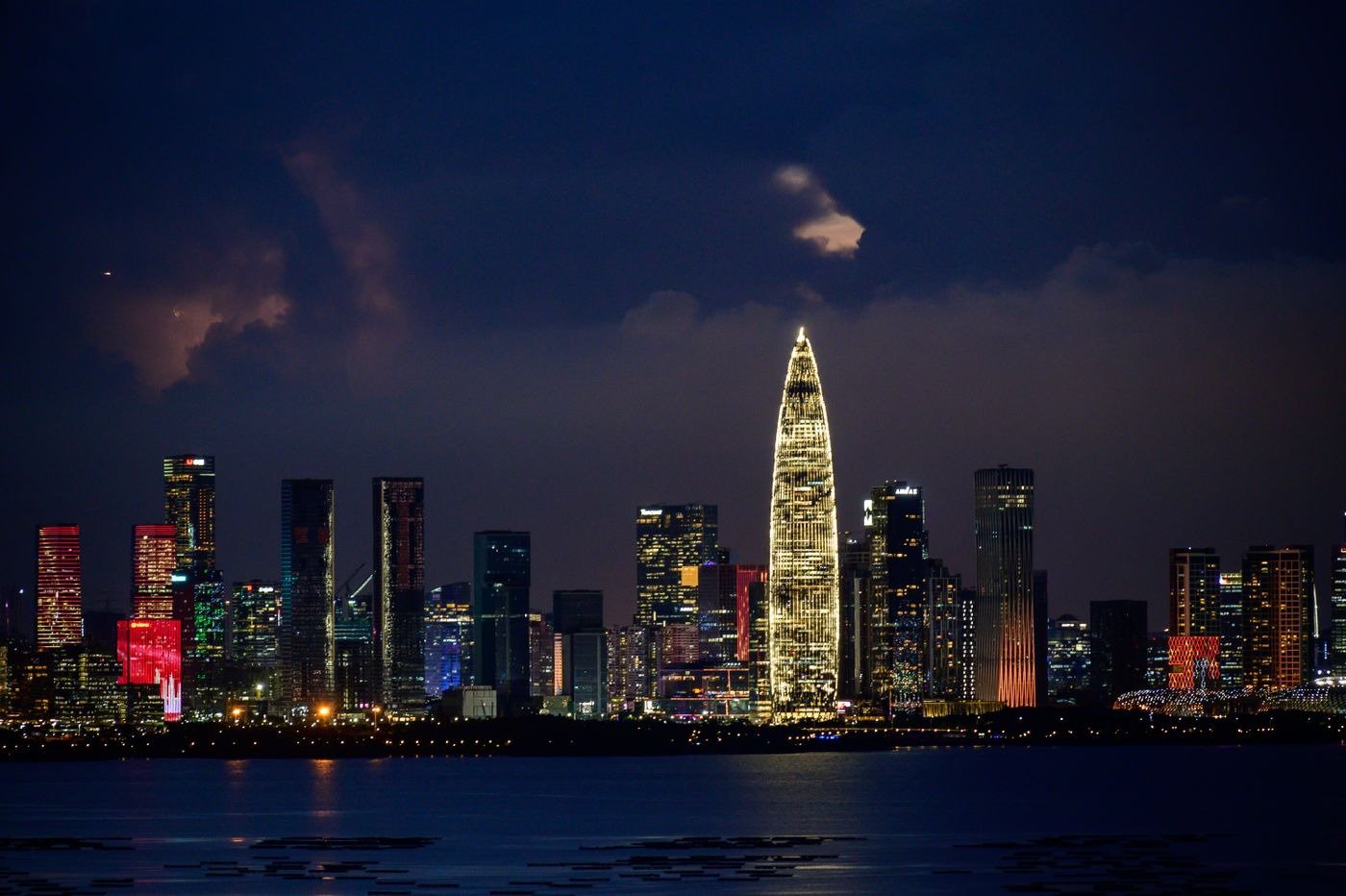
Where the city splits, when to come, and how to spend a first day.
The most pleasant stretch. Humidity hasn't arrived yet; the seafront is windy, so bring a layer.
BestLong, sticky and stormy. Typhoons from July to September. Plan indoor afternoons.
Hard goingClear skies — the right time for the coastal bike path and the hilltop views.
BestA jacket is enough. The city empties out a little around Lunar New Year as people go home.
ComfortableYou are here now: Autumn, 22–30°C.
Free. Twenty minutes up to the summit square and the whole Futian axis is laid out below you.
Floor 116, CNY 200 (about $29) for adults. On a clear day you can see into Hong Kong; skip it in haze.
Free. The lanes of the old county seat, now filled with coffee bars and small galleries. An hour covers it.
Free. The waterfront path runs from the mangrove reserve to Shekou — grab a shared bike and ride a stretch.
The Houhai towers light up and reflect in the water. Weekends are busy; weeknights are calm.
Few cities let you see time this plainly. Stand on the summit of Lianhuashan and look down: forty years ago this was farmland and fish ponds. Everything in front of you went up inside a single working life.
That also means there is no old town to wander. What history there is sits in a few lanes at Nantou, in the walls of Dapeng Fortress, and in the urban villages that haven’t been pulled down yet — handshake buildings with laundry strung between them, rice-noodle shops and beef hot pot kitchens at street level.
Shenzhen is stretched east to west by the water. From the mangrove reserve in Futian through Nanshan to Shekou, the seafront path runs almost unbroken, with Hong Kong’s hills on the far side of the bay.
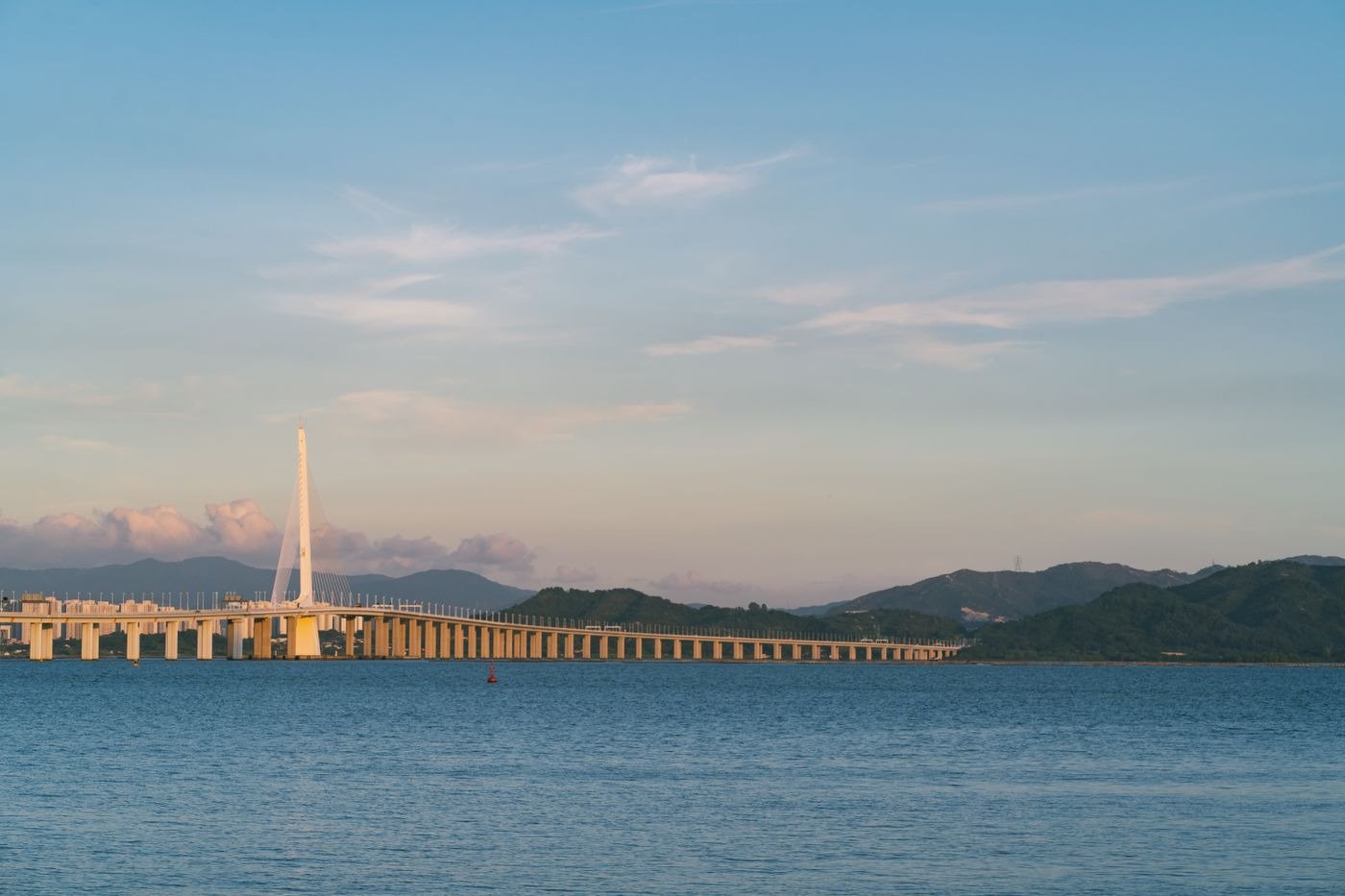
Shenzhen Bay Park is the busiest stretch. After work the runners, cyclists and dog walkers all come out and the sea breeze takes the edge off the heat. Hire a shared bike, ride from the mangroves to Talent Park, and it costs nothing.
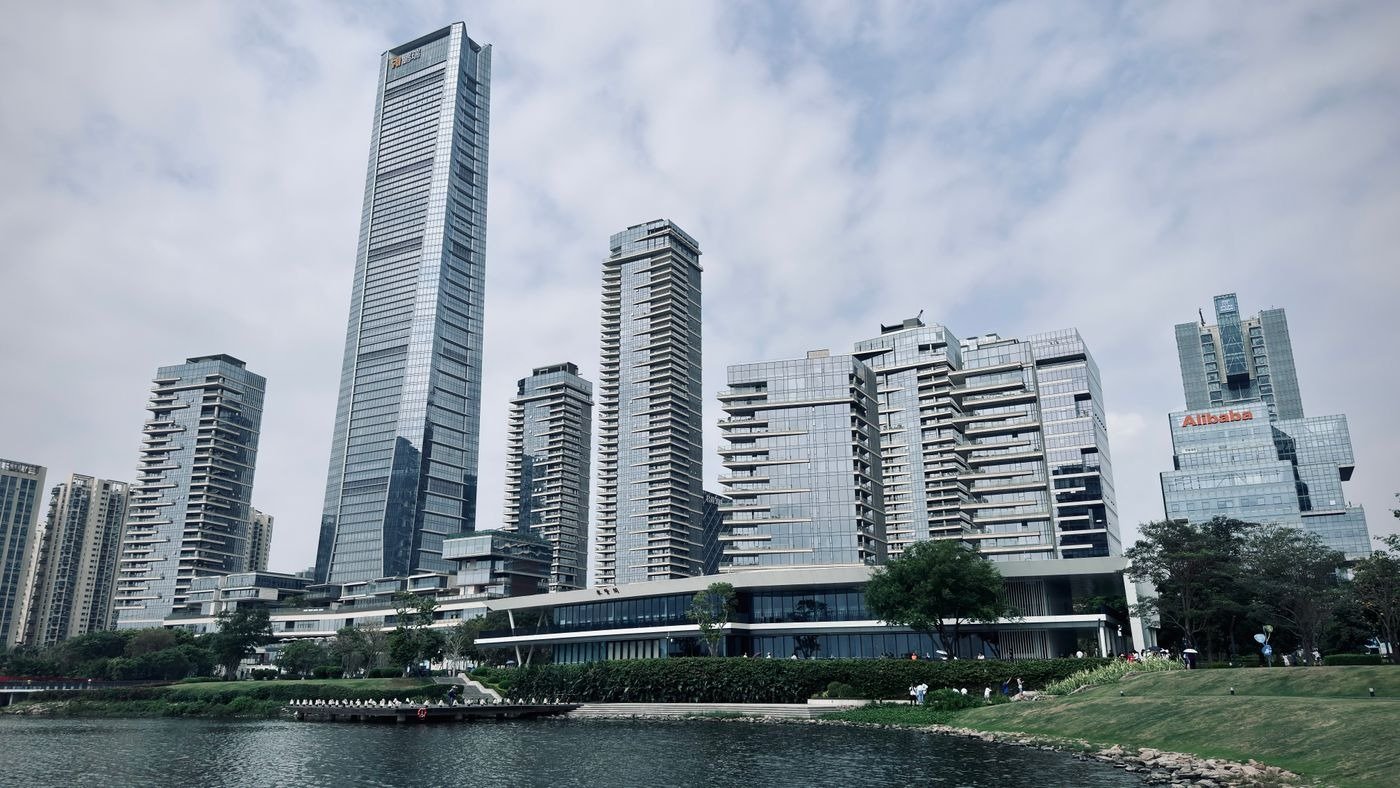
Futian is the most Shenzhen-looking part of Shenzhen: the Ping An Finance Centre at 599 metres, and nothing low-rise anywhere near it. The Free Sky deck on floor 116 costs CNY 200 (about $29); on a clean day the view runs to Hong Kong.
If you’d rather not pay, walk up Lianhuashan instead. It’s free, twenty minutes to the top, and the whole central axis opens up in front of you.
Half the life of this city is in the urban villages. Baishizhou is mostly gone now, but Shuiwei, Huanggang and Nantou are still there: lanes narrow enough that two people have to turn sideways, every ground floor a shop, rice noodle rolls at CNY 8 (about $1.1), Chaoshan beef hot pot sold by the cut, Shajing oysters by the piece.

None of it is a sight and none of it charges admission, but if you want to understand how this city absorbed so many people so fast, eat one meal in there.
The metro is the reliable way around: a dozen-plus lines cover nearly everything, CNY 2–14 (about $0.3–2) a ride, paid by scanning a QR code. Line 11 links Bao’an Airport to Futian; Shenzhen North is the high-speed rail hub, half an hour to Guangzhou and 14 minutes to West Kowloon.
Summer is long — May to September stays muggy, so carry an umbrella for the afternoon thunderstorms. October to December is the season to be here: clear skies, dry air, and a coastal ride that won’t leave you soaked.
No — the national rules apply. Most European passports plus Australia, New Zealand, Japan, South Korea and Canada currently get 30 days visa-free. US and UK passports can use the 240-hour transit waiver if they hold an onward ticket to a third country. Check mfa.gov.cn before booking.
High-speed rail from West Kowloon to Futian takes 14 minutes and drops you at a metro station. You can also cross on foot at Luohu or Futian; allow an hour at holiday peaks.
Metro Line 11 runs straight to Futian in about 30 minutes for CNY 8 (about $1.1). A taxi to Futian is CNY 120–160 (about $17–23), 40–60 minutes depending on traffic.
Not much, and none of it is old by Chinese standards. Nantou Old Town was the county seat in the Ming and Qing; Dapeng Fortress is a Ming coastal garrison out on the peninsula. The city itself is the attraction — don't measure it against Xi'an.
Pricier than Guangzhou, cheaper than Hong Kong. Dim sum runs CNY 80–150 (about $11–21) a head, a Chaoshan beef hot pot for two is CNY 200–300 (about $29–43), metro rides CNY 2–14 (about $0.3–2). Most sights are free; the money goes on observation decks and seafood.
Two full days covers the city. A third lets you add a beach day out on the Dapeng peninsula. Don't treat it as a Hong Kong layover — give it at least one day.
One email, no forms. Tell us when you land and what you like eating.
Plan with us →The neighbourhoods and day trips worth the trip out.
02Ready-made routes by length, with fixes for rain and closed museums.
03What to order, where to sit, and what to do after dark.
04Concerts, exhibitions and the seasonal windows locals wait for.
05The long reads — history, culture and the questions visitors get wrong.
06Payments, trains, data, language — the same in every city.
07Send your dates and we send back a day-by-day plan.