Mar – May
12–24°C
Plum rain arrives in June, so May is the clean window. The plane-tree streets look their best.
Excellent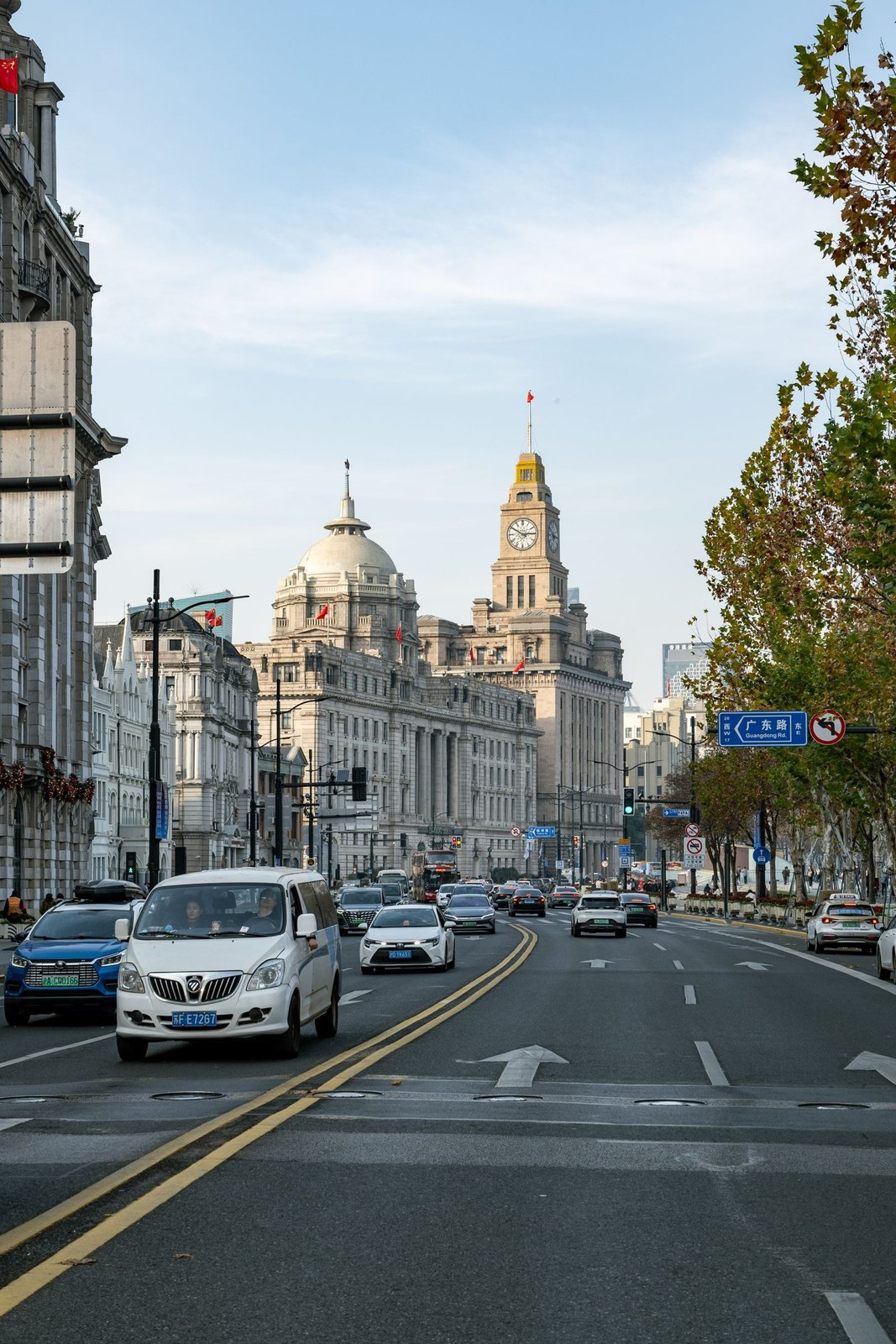
Where the city splits, when to come, and how to spend a first day.
Spring suits the plane-tree streets; autumn is made for walking. Summers are humid and rainy, winters damp and cold.
The Bund, one museum day, a theme-park day and a neighbourhood walk — with room for a water town.
Per person for five days, not including flights or long-distance trains.
Hongqiao is the high-speed rail gateway to the Yangtze Delta; the metro reaches almost every sight. Line 11 for Disneyland, line 16 for the Planetarium, line 17 for Zhujiajiao.
Lines 1, 2 and 8 meet here, and the Bund is a short walk away.
The Planetarium and the Shanghai Museum release tickets through official channels only — start looking three to seven days ahead. Most museums close on Mondays.
Plum rain arrives in June, so May is the clean window. The plane-tree streets look their best.
ExcellentHot, humid, and typhoon season from July. Museums and malls take over the itinerary.
ToughDry and clear, and the only stretch when the Bund is pleasant at midday.
BestGrey and damp but rarely freezing. Fewer visitors, and room rates drop hard in January.
CheapYou are here now: Autumn, 16–27°C.
Wukang Road, Anfu Road, Wuyuan Road. Set off before the cafés open and the trees are all yours.
An old shop near People's Square, ¥20–30 (about $2.9–4.3) a basket. The queue moves fast.
Free but book ahead, closed Mondays. The bronzes and calligraphy beat another photo stop.
Walk from Waibaidu Bridge down to Yan'an Road, then cross by the ¥2 (about $0.3) ferry, not the tunnel.
A tower deck costs extra; the public promenade on the east bank is free and just as good in clear weather.
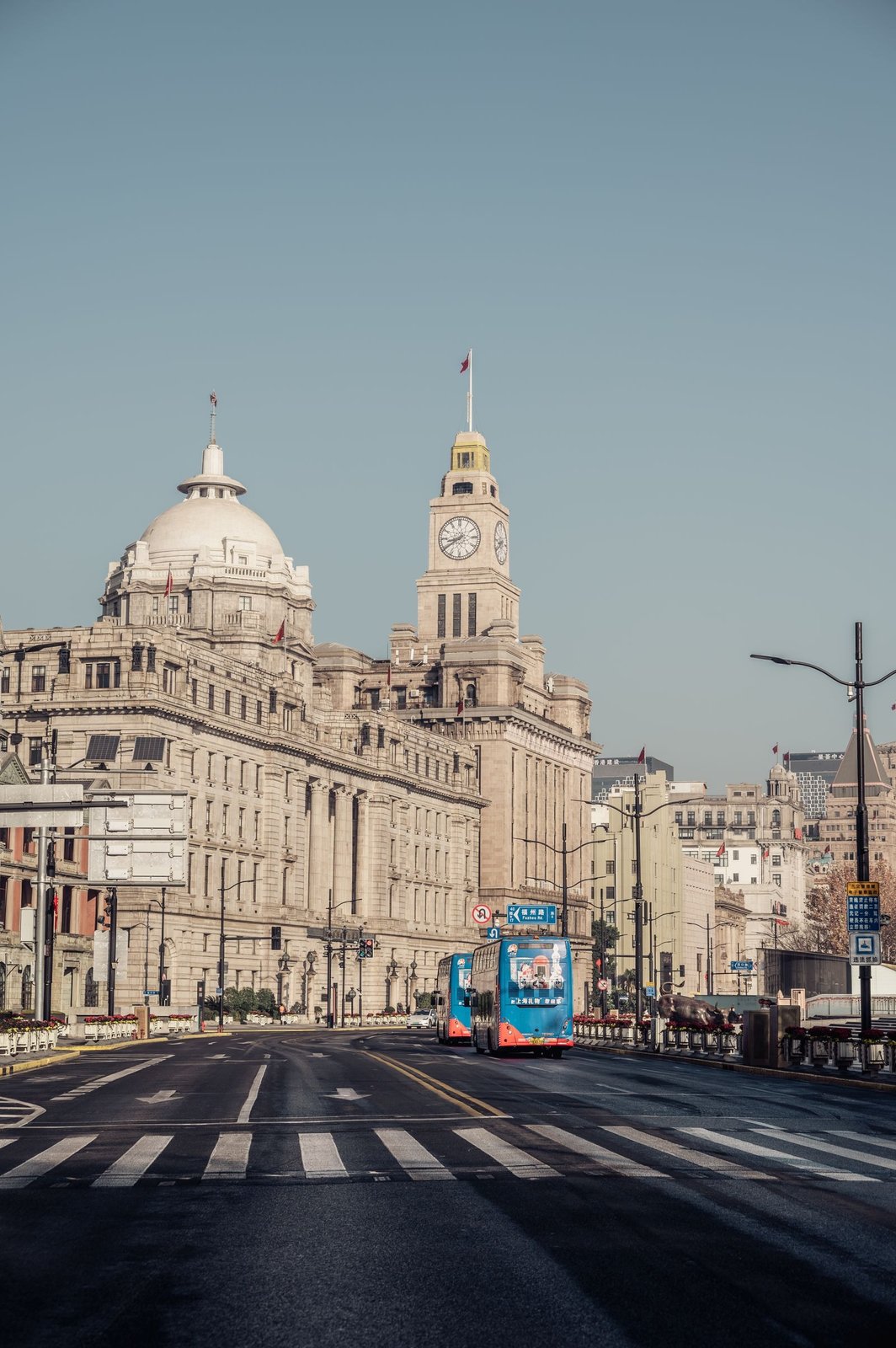
The Bund and Pudong is the postcard: stone-fronted banks facing glass towers, best seen from the ferry near dusk. Half a day covers it, and once is enough.
The plane-tree district is the other Shanghai: low-rise villas, cafés, small independent shops, and lanes where laundry still hangs out. This is where the city actually lives, and it rewards an unplanned walk more than any ticketed sight. With two days, see both. With one, walk the old streets in the morning, go to the Bund at dusk, and skip the observation decks.
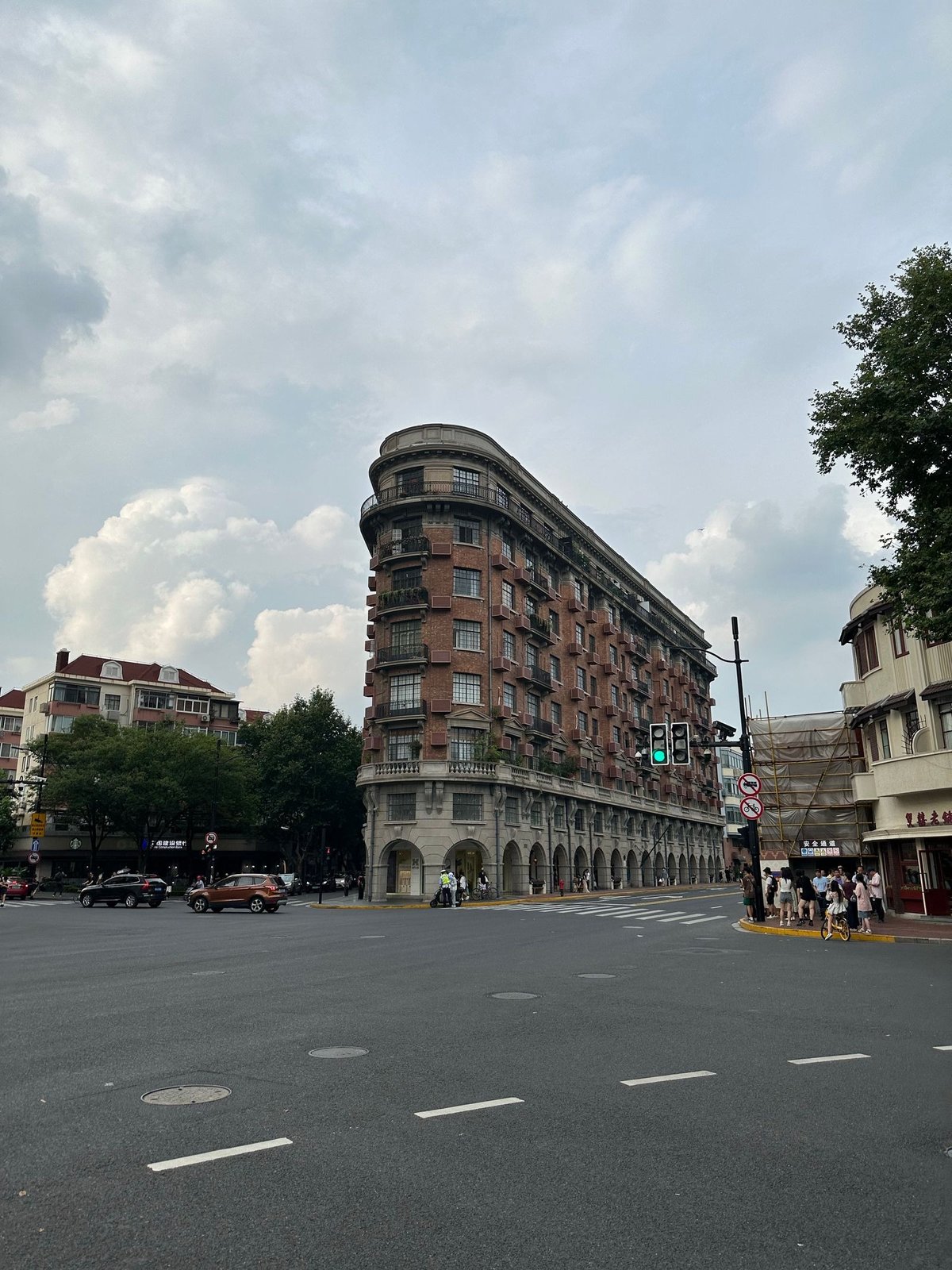
Start at Wukang Mansion, the flat-iron apartment block on the corner of Wukang and Huaihai Roads, now the most photographed facade in town. From there, take Wukang Road north, turn onto Anfu Road, left down Wuyuan Road, and finish on Fuxing West Road among the old villas. Two hours, no ticket. Cafés open at nine, so arrive at eight and the whole street is quiet — which is the only way to see it properly.
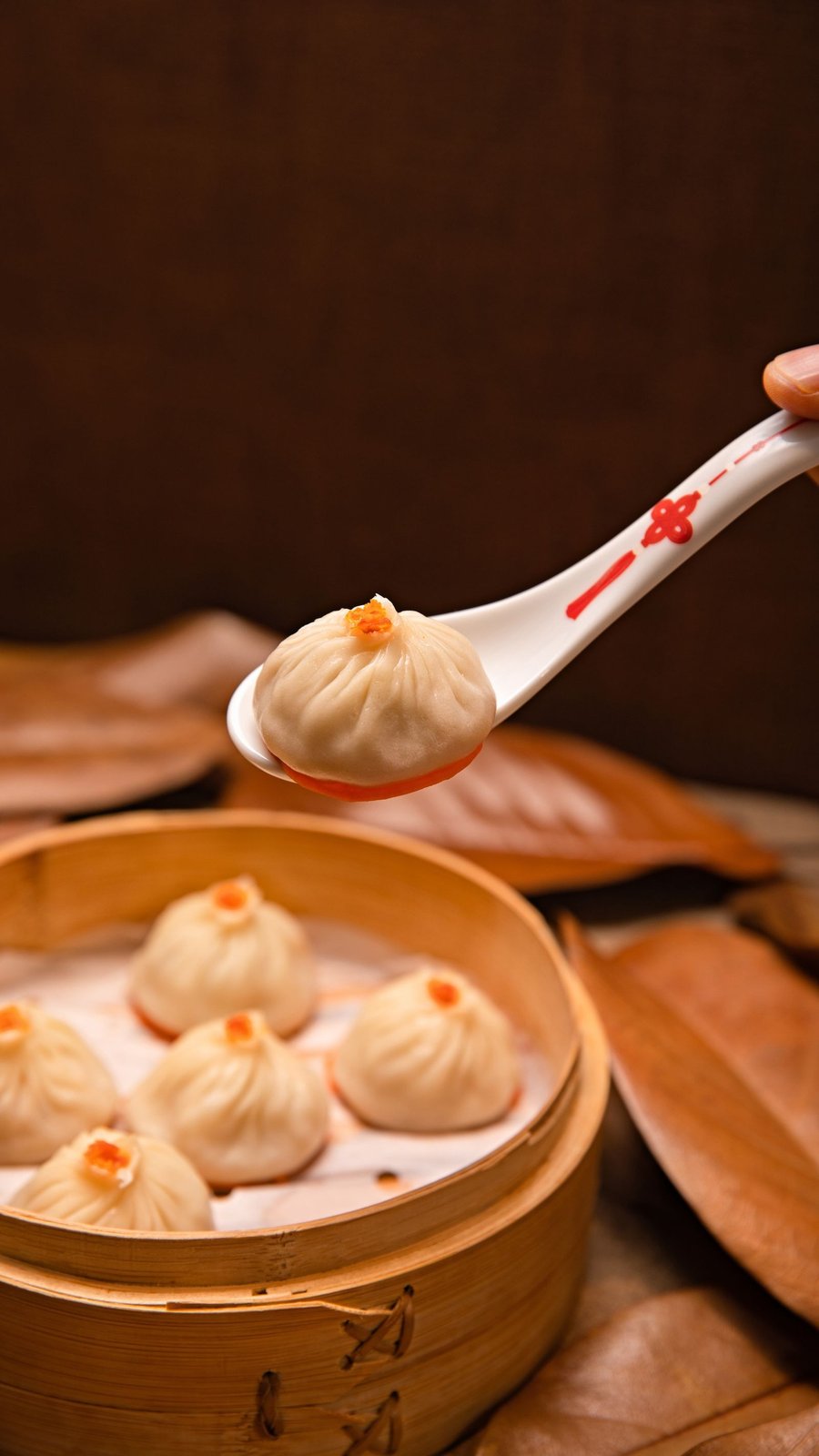
Shanghai cooking leans sweet and soy-heavy; people tend to love it or not. Begin with xiaolongbao — order the pork, not the crab roe, at ¥20–30 (about $2.9–4.3) a basket. Then shengjianbao, pan-fried pork buns with a crisp base and a pocket of soup, ¥8–12 (about $1.1–1.7) for four. Lunch for most locals is a bowl of scallion oil noodles at around ¥15 (about $2.1).
For a proper sit-down meal, find a Benbang kitchen in Jing’an and order red-braised pork and stir-fried eel; budget ¥150–250 (about $21–36) a head. Crab roe tofu in autumn and bamboo shoot soup in spring are worth following instead of a fixed menu.
The metro reaches nearly everywhere. Get a transport code in a local payments app and tap through. A ¥2 (about $0.3) ferry crosses the Huangpu between the Bund and Pudong — take it instead of the sightseeing tunnel, which costs many times more and shows you nothing.
Taxis are hard to flag down; use a ride-hailing app, and allow extra time in rain or at rush hour. Don’t drink the tap water — hotels have kettles and bottled water is around ¥2–3 (about $0.3–0.4) everywhere.
Yes, if you cut the theme parks and give each day one axis — the old concession streets and the Bund on day one, Pudong and a museum on day two.
Around Wukang Road or in Jing'an for neighbourhood feel and food, People's Square for transfers. Pudong only for business.
Metro Line 2 goes all the way for ¥8 (about $1.1) in about eighty minutes. The Maglev is ¥50 (about $7.1) and reaches Longyang Road in eight minutes, where you still change to Line 2.
More than elsewhere in China, less than you hope. Hotel staff yes, taxi drivers no. Keep your address written in Chinese on your phone.
They walk. The ground is flat and the old roads are shaded — the streets are the attraction. Give it two hours with no destination.
One email, no forms. Tell us when you land and what you like eating.
Plan with us →The neighbourhoods and day trips worth the trip out.
02Ready-made routes by length, with fixes for rain and closed museums.
03What to order, where to sit, and what to do after dark.
04Concerts, exhibitions and the seasonal windows locals wait for.
05The long reads — history, culture and the questions visitors get wrong.
06Payments, trains, data, language — the same in every city.
07Send your dates and we send back a day-by-day plan.