Mar – May
8–24°C
Short and windy, with the occasional dust storm in March. Late April is when it turns good.
Good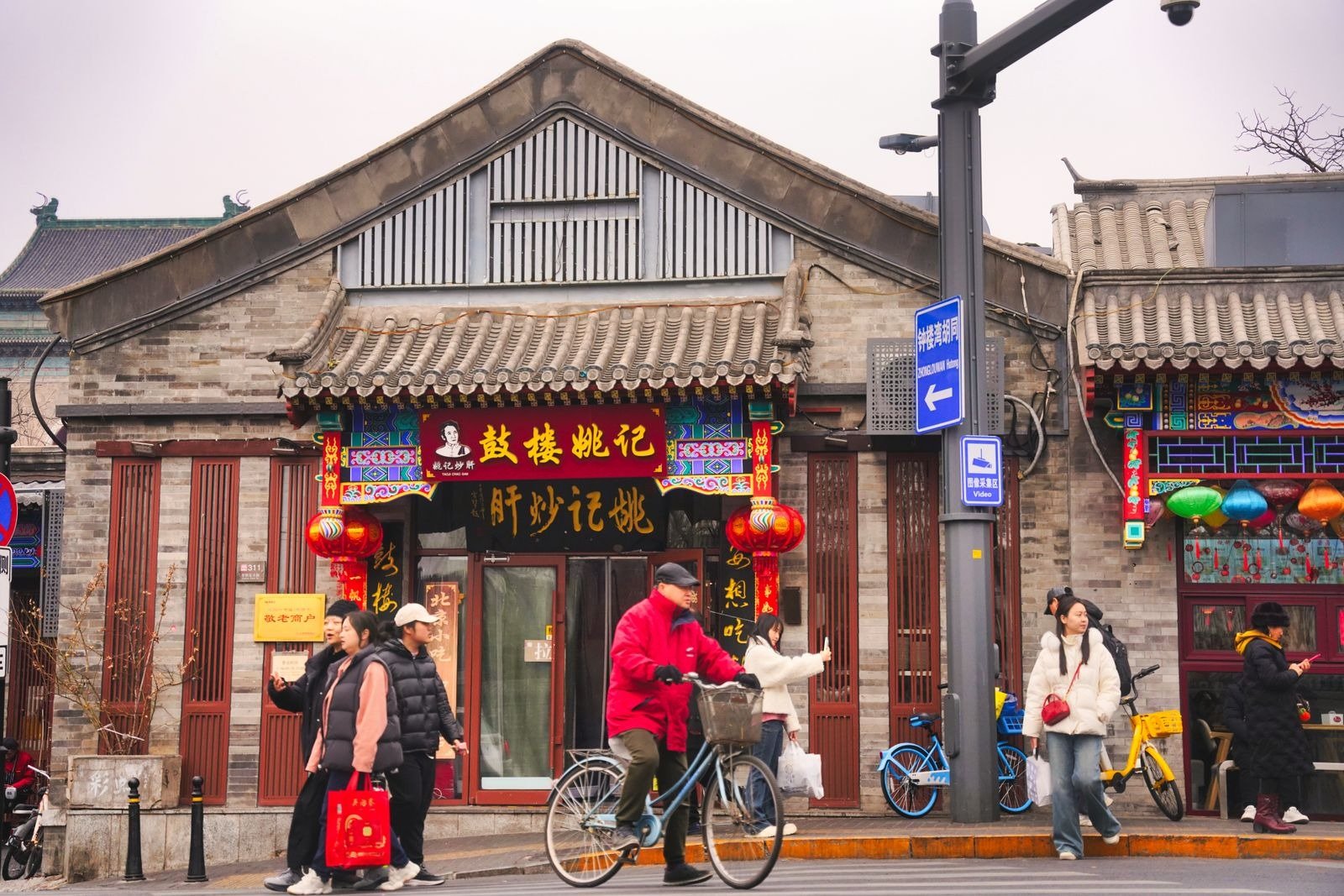
Where the city splits, when to come, and how to spend a first day.
Spring blossoms and crisp autumn skies. Winter brings skating on Shichahai and snow over the Forbidden City.
Enough for the Forbidden City, a Great Wall day, the hutongs and one museum without rushing.
Per person for five days, not including flights or long-distance trains.
Capital and Daxing both connect by rail. Scan to ride the metro; reach Badaling by high-speed train or the suburban S2 line.
Walk to Tiananmen and the Forbidden City, then use metro lines 1 and 2 for everything else.
The Forbidden City, the National Museum, Tiananmen Square, the university campuses and Badaling all require real-name reservations through official channels. Peak-season tickets go within minutes, and anyone charging to secure them for you is running a scam.
Short and windy, with the occasional dust storm in March. Late April is when it turns good.
GoodHot, humid and busy with domestic holiday groups. Book everything ahead.
BusyClear skies and colour on the Wall — the reason the phrase "Beijing autumn" exists.
BestDry, cold and clear. The Palace in thin snow is the best thing this city does. Chinese New Year week is chaos.
BeautifulYou are here now: Autumn, 12–26°C.
Enter at Meridian Gate, passport only, closed Mondays. Book seven days ahead — the quota sells out.
Cross the road from the Gate of Divine Prowess and climb fifteen minutes for the view over the yellow roofs.
Dongsi or Andingmen. Zhajiangmian noodles, ¥20–30 (about $2.9–4.3), or dumplings by the liang.
Pick one. The Lama Temple is the Tibetan Buddhist one with an 18-metre Maitreya.
Book Siji Minfu or Da Dong ahead. About ¥200–300 (about $29–43) per person including the rest of the meal.
There is the imperial city — the Forbidden City, the Temple of Heaven, the Summer Palace — immense, symmetrical, worth seeing once. And there is the one underneath: the hutong grid north of the Palace, where people still live in courtyard houses around a single tree, and someone sets up a breakfast stall at the mouth of the lane at dawn.
Most visitors only see the first. The second is why you should stay an extra day.
Enter at Meridian Gate on the south, walk the central axis north, and leave at the Gate of Divine Prowess. That is the right direction and the wrong plan, because the central axis is where every tour group goes.
Go early, cross the main halls quickly, then spend your time in the eastern and western palace courtyards, which are almost empty before ten. Cross the road to Jingshan Park and climb the hill for the view over the roofs — the single best photograph you will take in Beijing.
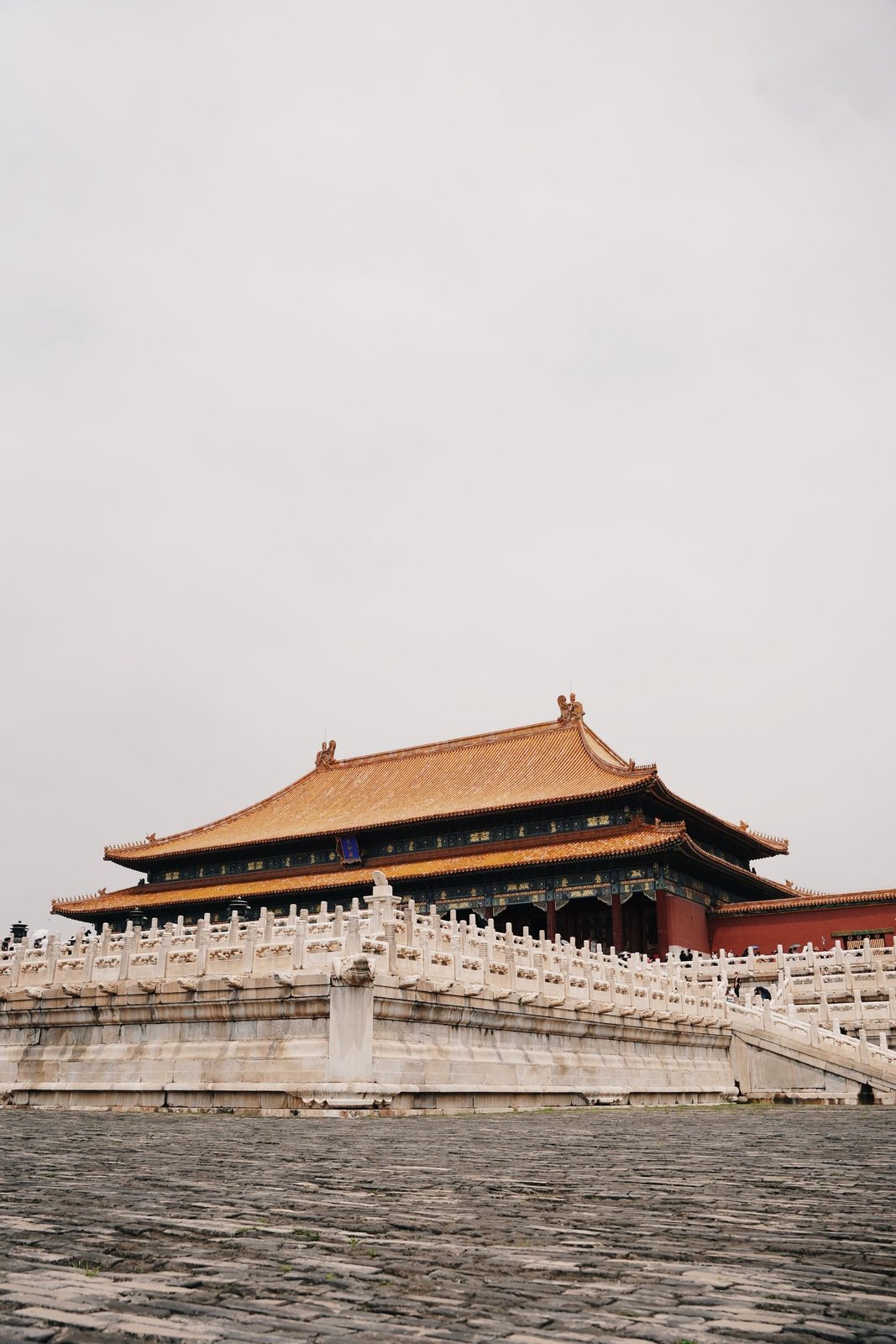
Closed Mondays. Tickets are passport-linked and released seven days ahead, with no walk-up entry. ¥60 (about $8.6) in peak season, ¥40 (about $5.7) off-peak.
Badaling is the one on the postcards and the one to skip. Mutianyu has the same view without the crush, plus a toboggan down. Jinshanling is a two-hour drive to ridges where restored and weathered wall run together and almost nobody is around — the one that feels like what you came for.
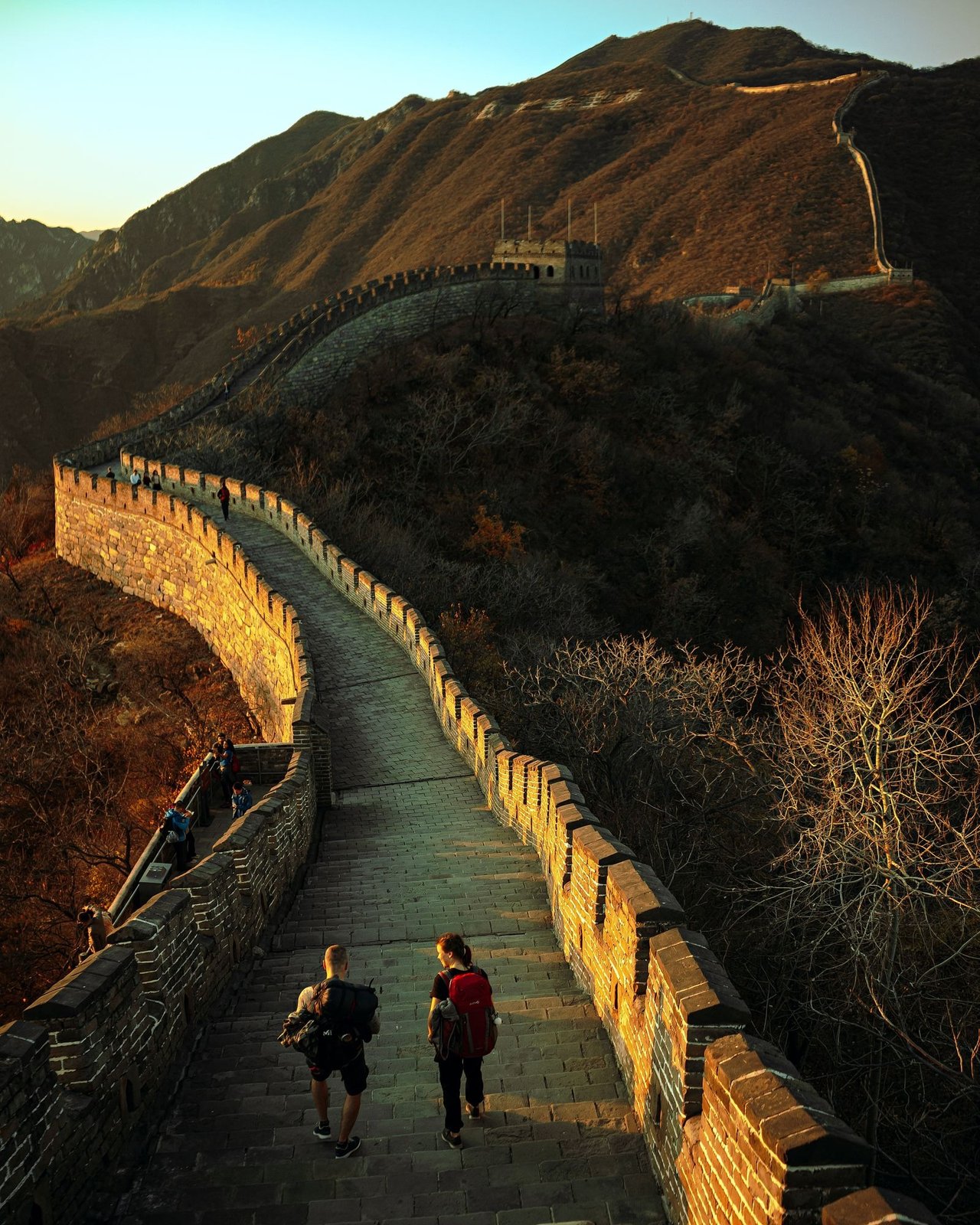
Go on a weekday, leave at seven, and check visibility before you commit.
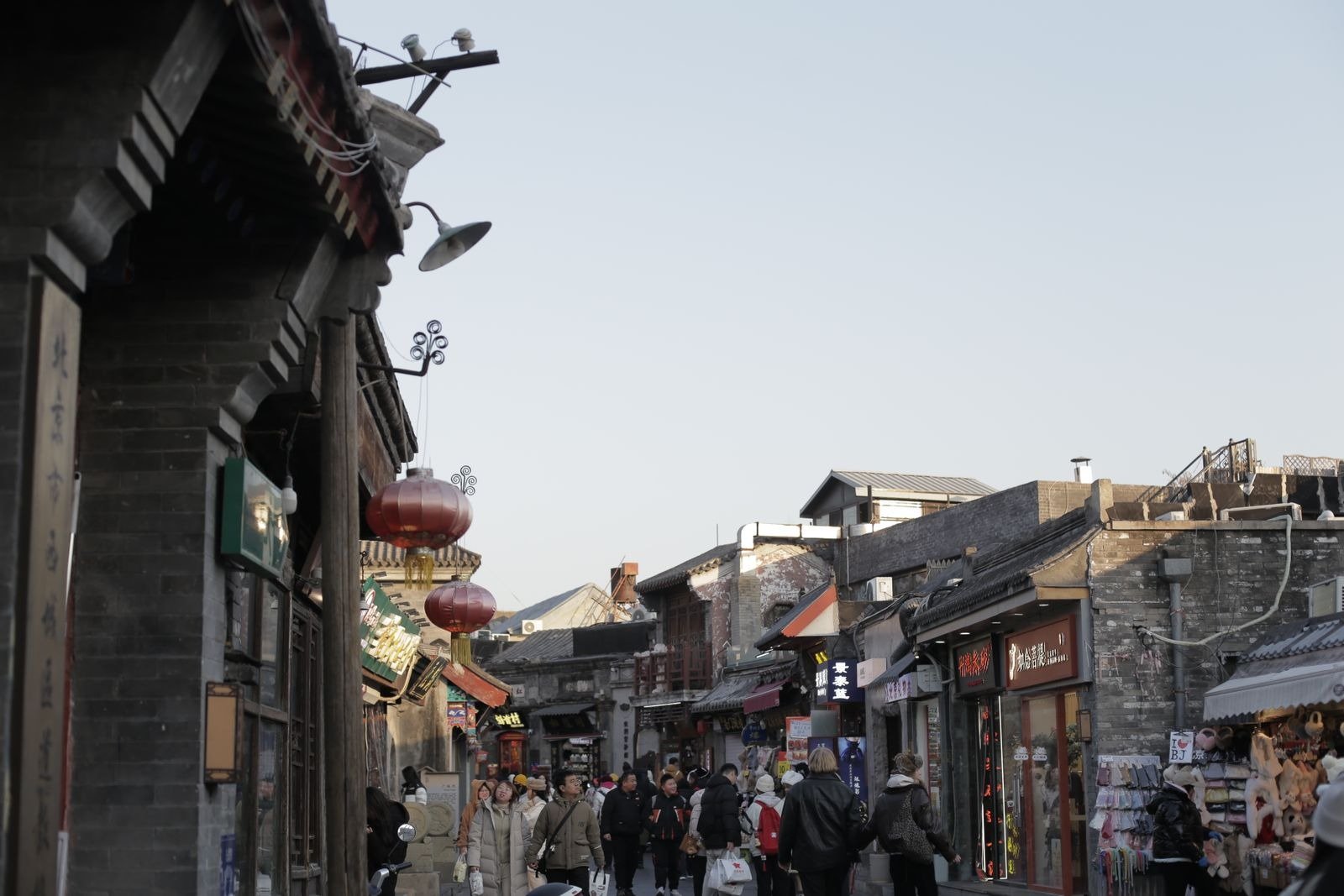
Hutongs are free — just walk in. Gulou, Dongsi and Andingmen are the best stretches, with small restaurants along the way.
Peking duck is not a tourist trap if you go to the right place: Siji Minfu near the Palace, or Da Dong for a dressier version. Book ahead. A duck feeds three and costs ¥200–300 (about $29–43). One level down, zhajiangmian — thick noodles with fermented bean sauce — is ¥20–30 (about $2.9–4.3) and the actual daily lunch of the city.
Arrive at Beijing South (high-speed rail, 4.5 hours from Shanghai) or at Capital / Daxing airport. The metro connects everything, rides cost ¥3–9 (about $0.4–1.3), and a transit card or Alipay transport code works on every line. The airport express is ¥25–35 (about $3.6–5).
Taxis are cheap by European standards, but the traffic is not. For anything under three kilometres in the hutongs, walk — it is faster and it is the point.
Beijing is enormous and the sights are far apart. The Palace to the Temple of Heaven is seven kilometres; the Summer Palace is fifteen from the centre. Plan two clusters a day, not four sights, or you will spend the trip underground and in traffic.
Three full days minimum for the Palace, the Wall and the hutongs without rushing. Four lets you add the Temple of Heaven, the Lama Temple and a proper park morning.
Mutianyu for the postcard view and the toboggan down; Jinshanling for quiet ridges with restored and wild wall side by side; skip Badaling. All are 1.5–2.5 hours from the centre.
Yes, and it is passport-linked. Tickets go on sale seven days ahead and sell out in minutes in peak season. It is closed every Monday, and there is no walk-up entry.
The centre is, if you accept that "close" means two kilometres. The hutongs around Dongsi and Gulou are genuinely pleasant on foot; everything else is metro, and the metro is excellent.
Much better than its reputation, and autumn is usually clear. Winter can have bad days — check the air-quality index the morning you plan a Wall trip, since visibility is the whole point.
Less than Shanghai, a little more than Guangzhou. Metro rides are ¥3–9 (about $0.4–1.3), the Palace is ¥60 (about $8.6) in peak season, a whole duck runs ¥200–300 (about $29–43), and a mid-range hotel is ¥450–700 (about $64–100).
One email, no forms. Tell us when you land and what you like eating.
Plan with us →The neighbourhoods and day trips worth the trip out.
02Ready-made routes by length, with fixes for rain and closed museums.
03What to order, where to sit, and what to do after dark.
04Concerts, exhibitions and the seasonal windows locals wait for.
05The long reads — history, culture and the questions visitors get wrong.
06Payments, trains, data, language — the same in every city.
07Send your dates and we send back a day-by-day plan.